These are the feeds from some of the best blogs about Family History / Genealogy
- Profile of the Day: Richard III of England
 by Amanda on October 2, 2026 at 4:05 pm
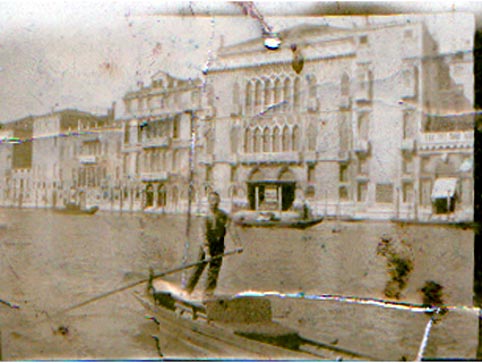
On this day in 1452, Richard III of England was born. With his death at the age of 32, Richard III became the last king of the Plantagenet dynasty. Image: Richard III of England / Wikimedia Commons Richard was the fourth son born to Richard, Duke of York, and Cecily Neville. After the death of his brother, Edward IV, in 1483, Edward’s twelve-year old son, Edward V, succeeded him and Richard was named Lord Protector of the Realm. However, after Richard succeeded in declaring his brother’s marriage… Read the full story The post Profile of the Day: Richard III of England first appeared on About Geni.
- Celebrate German Unity Day with Free Access to German Records on MyHeritage
 by Esther Shuman on September 30, 2026 at 3:32 pm
In honor of German Unity Day, MyHeritage is offering free access to all German historical record collections from October 1–5, 2026. This is a great opportunity to explore your family’s connections to Germany and uncover new details about your relatives. Search German Records for Free MyHeritage currently hosts 33 German historical record collections containing 287 The post Celebrate German Unity Day with Free Access to German Records on MyHeritage appeared first on MyHeritage Blog.
- Profile of the Day: James Dean
 by Amanda on September 30, 2026 at 10:30 am
Today we remember legendary actor James Dean, who passed away on this day 71 years ago. Image: James Dean / Wikimedia Commons James Byron Dean was born on February 8, 1931 in Marion, Indiana to Winton Dean and Mildred Marie Wilson. After his family moved to California, Dean’s mother died of uterine cancer. His father, unable to care for him, sent Dean back to Indiana to live with family. He later returned to California and enrolled in… Read the full story The post Profile of the Day: James Dean first appeared on About Geni.
- Can You Trust that Record or Story? Premium Podcast Episode #228by Lisa Cooke on September 29, 2026 at 9:15 pm
(AUDIO PODCAST) In this episode, we examine how easily a compelling historical story can spread online and why genealogists must resist sharing before verifying. You’ll learn the Genealogist’s Trust Test, a memorable six-step SOURCE method for breaking a story into testable claims, tracing information back to its origin, locating original records, comparing independent sources and considering Source
- 5 Things to check before you add another ancestor to your family treeby Lisa Cooke on September 29, 2026 at 6:22 pm
(VIDEO) Is your family tree accurate, or have genealogy mistakes been hiding in plain sight? Here are 5 practical ways to check your genealogy research and build a more reliable family tree. Whether you use Ancestry, FamilySearch, MyHeritage, and/or genealogy software, these beginner and advanced friendly family history research tips will help you: review your Source
- Profile of the Day: Miguel de Cervantes
 by Amanda on September 29, 2026 at 4:30 pm
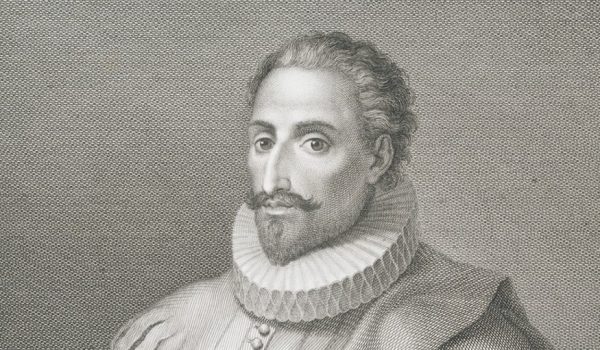
Do you have Spanish ancestors? Today in 1547, author Miguel de Cervantes was born in Alacalá de Henares, Spain. Image: Miguel de Cervantes / New York Public Library He was the fourth of seven children born to Rodrigo Cervantes Torreblanca, a barber-surgeon, and Leonor de Cortinas, the daughter of a nobleman. His paternal grandfather, Juan de Cervantes, was a prominent and influential lawyer, while his uncle, Andrés de Cervantes, served as mayor of the city of Cabra…. Read the full story The post Profile of the Day: Miguel de Cervantes first appeared on About Geni.
- Profile of the Day: Ed Sullivan
 by Amanda on September 28, 2026 at 10:05 am
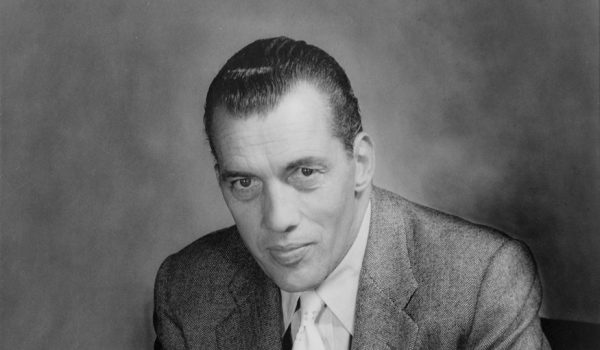
Do you remember watching The Ed Sullivan Show? On this day in 1901, Ed Sullivan was born. Image: Ed Sullivan / Library of Congress Edward Vincent Sullivan was born on September 28, 1901 in Harlem, New York City, New York to Peter Arthur Sullivan and Elizabeth Smith. He was born a twin, but his brother Danny died a few months after birth. Growing up, Sullivan excelled in sports and wrote for his school newspaper. After graduating, he landed… Read the full story The post Profile of the Day: Ed Sullivan first appeared on About Geni.
- Profile of the Day: William Faulkner
 by Amanda on September 25, 2026 at 10:00 am
Remember reading The Sound of the Fury? Today we remember author William Faulkner, who was born on this day in 1897. Image: William Faulkner / Library of Congress The author was the first of four sons born to Murry Cuthbert Falkner and Maud Butler. Born in Albany, Mississippi, Faulkner’s experiences growing up in the South greatly influenced his writings. He was named after his great-grandfather, William Clark Falkner, and grew up hearing stories about the “Old Colonel,” who was a successful… Read the full story The post Profile of the Day: William Faulkner first appeared on About Geni.
- Profile of the Day: Jim Henson
 by Amanda on September 24, 2026 at 4:45 pm
Beloved Muppet creator Jim Henson was born on this day in 1936. Today we remember him on what would have been his 90th birthday. Image: Jim Henson / Library of Congress Henson was born on September 24, 1936 in Greenville, Mississippi to Paul Ransom Henson and Betty Brown. He had a close relationship with his maternal grandmother, who was an avid painter, quilter, and needleworker. She encouraged Henson’s artistic passions and creativity. Henson rose to… Read the full story The post Profile of the Day: Jim Henson first appeared on About Geni.
- 100 Years Since the 1926 Slavery Convention: Why It Still Matters to Family History
 by Daniella Levy on September 24, 2026 at 9:37 am
On September 25, 1926, representatives gathered in Geneva under the League of Nations to sign the Slavery Convention. The agreement gave international law a lasting definition of slavery and committed participating states to suppress the slave trade and work toward the abolition of slavery in all its forms. One hundred years later, the centenary offers The post 100 Years Since the 1926 Slavery Convention: Why It Still Matters to Family History appeared first on MyHeritage Blog.
- Profile of the Day: Bruce Springsteen
 by Amanda on September 23, 2026 at 10:10 am
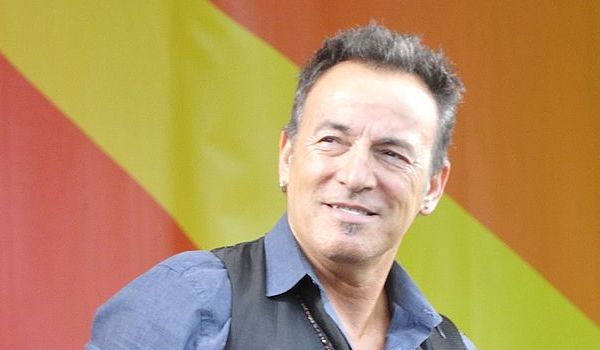
Happy birthday to Bruce Springsteen! Today the Boss turns 77. Image: Bruce Springsteen / Takahiro Kyono, Wikimedia Commons (CC BY 2.0) Springsteen was born on September 23, 1949 in Long Branch, New Jersey to Douglas Frederick Springsteen and Adele Zerilli. He was raised in a working class household. His father worked various jobs from bus driver to mill worker while his mother worked as a legal secretary. Springsteen fell in love with rock and roll… Read the full story The post Profile of the Day: Bruce Springsteen first appeared on About Geni.
- Profile of the Day: Michael Faraday
 by Amanda on September 22, 2026 at 4:30 pm
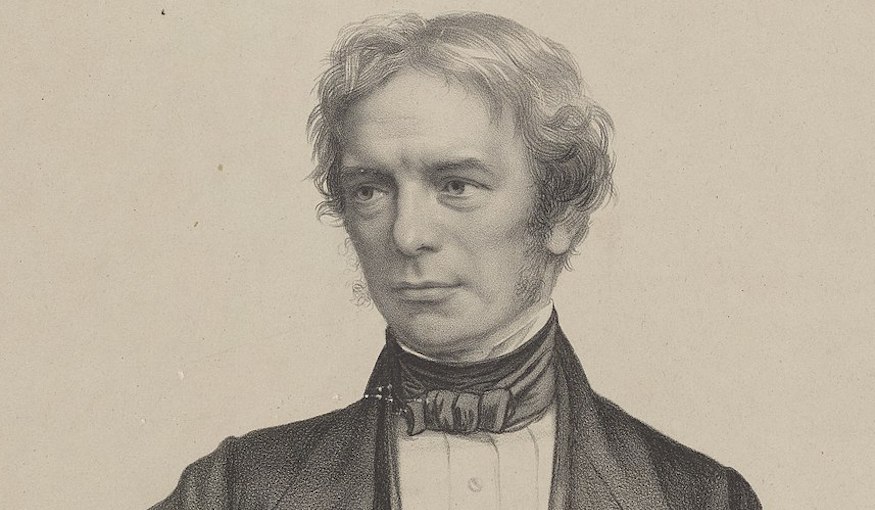
On this day in 1791, English physicist Michael Faraday was born in Surrey, England. Faraday is remembered for his groundbreaking discoveries in electromagnetism. Image: Michael Faraday / Science History Institute Faraday was the third child born to James Faraday and Margaret Hastwell. His family was not well off and could only afford him a basic education. At the age of 14, he began an apprenticeship with a local bookseller and educated himself by reading a wide… Read the full story The post Profile of the Day: Michael Faraday first appeared on About Geni.
- 10 Belgian Surnames That Shaped European Historyby Daniella Levy on September 22, 2026 at 7:07 am
To most people, the names that embody European high royalty are Windsor, Bourbon, or Habsburg. Yet it is right here, at the crossroads of our provinces and our shared history, that the true architects of the continent’s dynastic networks are hidden. Belgium may be a country of modest size, but for centuries, its nobility has The post 10 Belgian Surnames That Shaped European History appeared first on MyHeritage Blog.
- Profile of the Day: H.G. Wells
 by Amanda on September 21, 2026 at 10:30 am
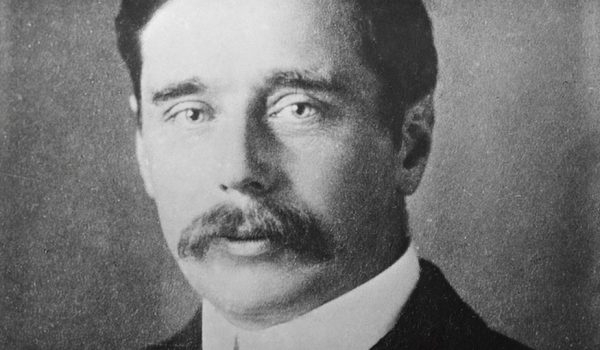
Are a fan of science fiction? On this day in 1866, author H.G. Wells was born in Kent, England. Image: H.G. Wells / Library of Congress Herbert George Wells was the fourth and youngest child born to Joseph Wells, a shopkeeper and professional cricketer, and Sarah Neal, a former domestic servant. When he was a child, an accident left Wells bedridden with a broken leg. To pass the time, he immersed himself in books and discovered… Read the full story The post Profile of the Day: H.G. Wells first appeared on About Geni.
- Profile of the Day: Greta Garbo
 by Amanda on September 18, 2026 at 10:40 am
Do you have Swedish roots? On this day in 1905, Swedish actress Greta Garbo was born in Stockholm, Sweden. Image: Greta Garbo / Library of Congress She was born Greta Lovisa Gustafsson to Anna Lovisa Karlsson and Karl Alfred Gustafsson. She grew up in poverty and daydreamed about becoming an actor from an early age. At 13, she dropped out of school to care for her sick father, who died in 1920. After getting her… Read the full story The post Profile of the Day: Greta Garbo first appeared on About Geni.
- Profile of the Day: Hank Williams
 by Amanda on September 17, 2026 at 4:15 pm
Are you a country music fan? On this day in 1923, country music’s first superstar, Hank Williams, was born. Although his career was cut short after his death at the age of 29, Williams is often regraded as one of the most influential singers and songwriters of the 20th century. Image: Hank Williams / Wikimedia Commons Williams was born Hiram King Williams on September 17, 1923 in Mount Olive, Alabama to Jessie Lillybelle Skipper and Elonzo Huble… Read the full story The post Profile of the Day: Hank Williams first appeared on About Geni.
- The Great Miami Hurricane of 1926: What Its 100th Anniversary Means for Genealogy
 by Daniella Levy on September 17, 2026 at 6:08 am
On September 18, 1926, a powerful hurricane struck the Miami area before crossing South Florida and entering the Gulf of Mexico. It tore apart homes and businesses, flooded coastal communities, displaced tens of thousands of people, and helped bring the region’s celebrated land boom to an abrupt end. A century later, the Great Miami Hurricane The post The Great Miami Hurricane of 1926: What Its 100th Anniversary Means for Genealogy appeared first on MyHeritage Blog.
- Give that Boring Ancestor a Makeover! Episode 311by Lisa Cooke on September 16, 2026 at 10:17 pm
(AUDIO PODCAST) Your ancestor is not boring. You just haven’t uncovered their full story yet! If you’ve got a family tree profile that feels like a “plain Jane,” this episode shows you how to turn it into a richer, more compelling portrait. Start with 5 simple ways to check your existing research. Then discover 5 Source
- Profile of the Day: Lauren Bacall
 by Amanda on September 16, 2026 at 4:50 pm
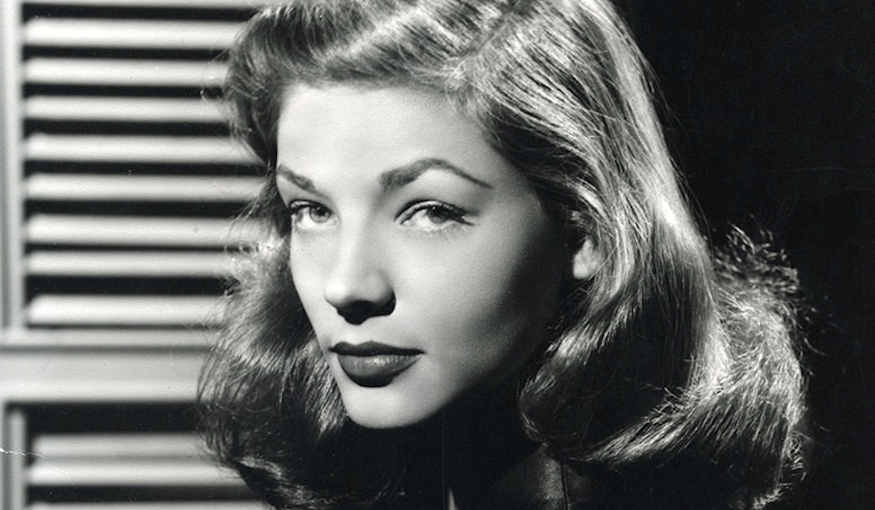
Today we remember screen legend Lauren Bacall, who was born on this day in 1924. Image: Lauren Bacall / Wikimedia Commons Actress Lauren Bacall was born Betty Joan Perske on September 16, 1924 in New York City, New York. She was the only child of William Perske and Natalie Weinstein, who later legally changed her surname to Bacal. After her parents divorced, Bacall was raised by her mother. Bacall began her career as a model before catching the… Read the full story The post Profile of the Day: Lauren Bacall first appeared on About Geni.
- Profile of the Day: Agatha Christie
 by Amanda on September 15, 2026 at 5:30 pm
What’s your favorite Agatha Christie novel? On this day in 1890, the crime novelist was born in Torquay, England. Image: Agatha Christie / Nationaal Archief, CC0 She was born Agatha Mary Clarissa Miller to a wealthy upper-middle class family. From a young age, Christie was an avid reader with a vivid imagination. During World War I, Christie joined the war effort as a volunteer for the Voluntary Aid Detachment and worked as a nurse to tend wounded soldiers… Read the full story The post Profile of the Day: Agatha Christie first appeared on About Geni.
- Profile of the Day: Francis Scott Key
 by Amanda on September 14, 2026 at 5:00 pm
Image: Library of Congress On this day in 1814, Francis Scott Key penned the poem that would later become the lyrics to the United States’ national anthem, “The Star-Spangled Banner.” Key was born on August 1, 1779 at the family plantation in Maryland. His father was a lawyer, a judge and an officer in the Continental Army during the American Revolution. During the War of 1812, Key witnessed the bombardment of Fort McHenry by British… Read the full story The post Profile of the Day: Francis Scott Key first appeared on About Geni.
- Profile of the Day: O. Henry
 by Amanda on September 11, 2026 at 10:45 am
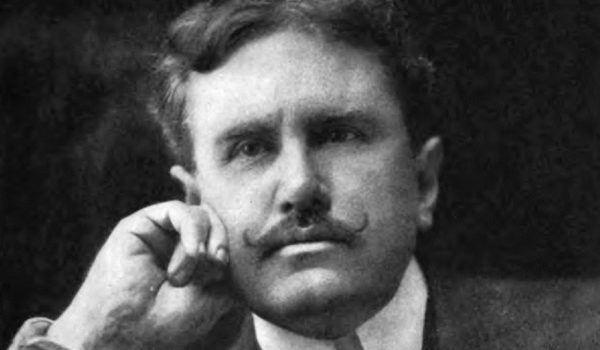
Have you read “The Gift of the Magi”? On this day in 1862, author O. Henry was born. His comedic and ironic stories, often with surprised endings, made Henry one of the most popular short story writers of his time. Image: O. Henry / Wikimedia Commons He was born William Sidney Porter on September 11, 1862 in Greensboro, North Carolina. Before he began his career as a writer, Porter held a variety of jobs. At 15, he began… Read the full story The post Profile of the Day: O. Henry first appeared on About Geni.
- Profile of the Day: Nathan Hale
 by Amanda on September 10, 2026 at 10:40 am
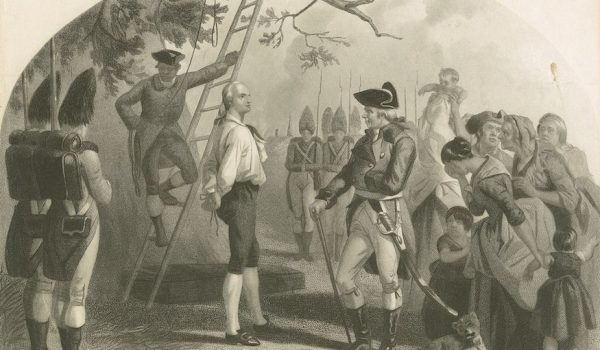
On this day in 1776, Nathan Hale, a solider in the Continental Army, volunteered to spy behind British lines. Image: New York Public Library Nathan Hale was born in Coventry, Connecticut Colony on June 6, 1755. Educated at Yale, Hale joined the Connecticut militia after the start of the American Revolutionary War. Prior to the upcoming Battle of Harlem Heights, General George Washington called for a volunteer to cross enemy lines to gather intelligence. Hale volunteered… Read the full story The post Profile of the Day: Nathan Hale first appeared on About Geni.
- New York 250 Years Ago: Tracing Your Revolutionary War Family Historyby Daniella Levy on September 10, 2026 at 7:57 am
In September 1776, New York City stood at the epicenter of the American Revolutionary War. Following General George Washington’s retreat from the Battle of Long Island in late August, Continental forces found themselves outnumbered and struggling to defend Manhattan. Over 30 turbulent days, 3 momentous events reshaped the struggle for independence: the failed Staten Island The post New York 250 Years Ago: Tracing Your Revolutionary War Family History appeared first on MyHeritage Blog.
- Profile of the Day: Leo Tolstoy
 by Amanda on September 9, 2026 at 4:35 pm
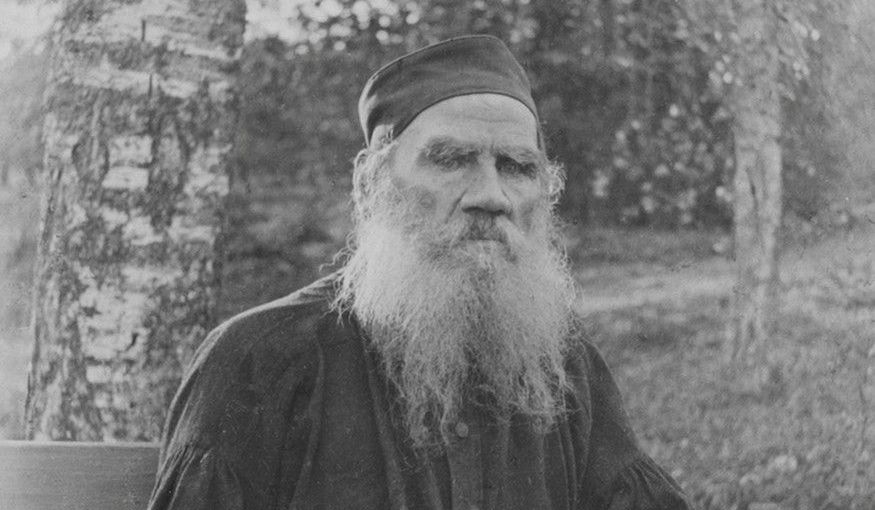
Have you read Anna Karenina? On this day in 1828, author Leo Tolstoy was born at his family’s estate in Tula, Russia. Image: Leo Tolstoy / Library of Congress The Tolstoy family was a prominent family of old Russian nobility. He was the fourth child born to Count Nikolai Ilyich Tolstoy, a veteran of the Patriotic War of 1812, and Countess Maiya Tolstaya. Tolstoy’s parents died while he was young, and so his relatives helped care… Read the full story The post Profile of the Day: Leo Tolstoy first appeared on About Geni.
- Cousins Meet at Last in a Healing Reunion 80+ Years After the Holocaust Shattered Their Families
 by Daniella Levy on September 9, 2026 at 11:09 am
Earlier this year, we shared the remarkable story of Adriana Turk, a 74-year-old Australian who grew up believing that her father’s family had been murdered in the Holocaust. After the death of her only brother left her without any immediate family, Adriana took a MyHeritage DNA test. The results set in motion a discovery that The post Cousins Meet at Last in a Healing Reunion 80+ Years After the Holocaust Shattered Their Families appeared first on MyHeritage Blog.
- Profile of the Day: Patsy Cline
 by Amanda on September 8, 2026 at 4:15 pm
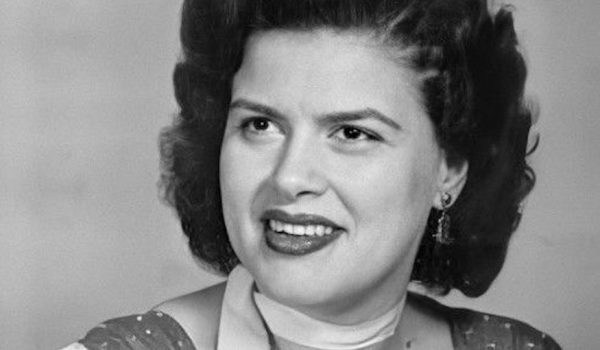
On this day in 1932, legendary country singer Patsy Cline was born. Image: Patsy Cline / Wikimedia Commons Cline was born Virginia Patterson Hensley in Winchester, Virginia to Hilda Patterson, a 16-year-old seamstress, and Samuel Hensley, a 43-year-old blacksmith. She was introduced to music at an early age and by the age of 8, she had taught herself to play the piano. She later started performing with her mother in the local church choir and… Read the full story The post Profile of the Day: Patsy Cline first appeared on About Geni.
- Both Adopted from Mumbai, They Called Each Other ‘Sis.’ 30 Years Later, They Found Out They’re Actually Sisters
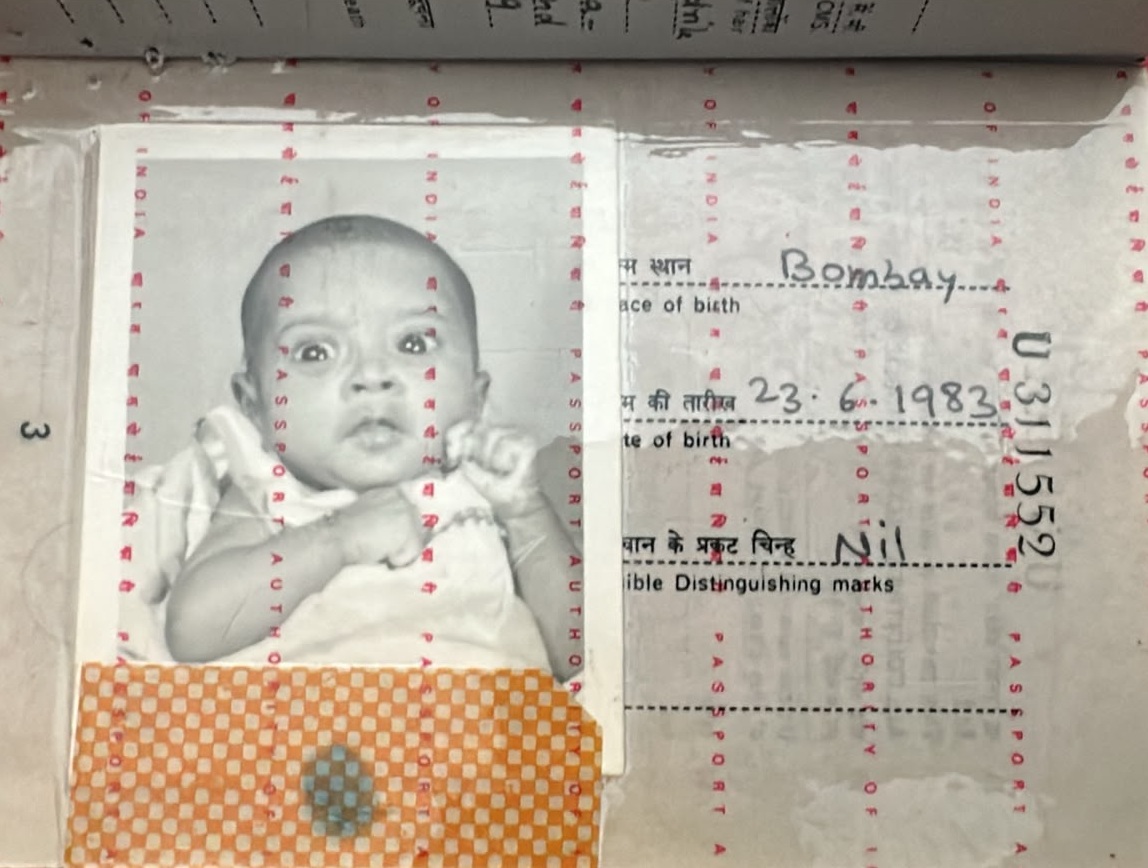 by Daniella Levy on September 7, 2026 at 6:19 am
Every once in a while, a DNA discovery story comes along that feels more like a movie script than reality. The story of Meena and Minal is one of those rare, miraculous twists of fate. Born in Mumbai in the early 1980s, both girls were adopted as infants by different Dutch families. They grew up The post Both Adopted from Mumbai, They Called Each Other ‘Sis.’ 30 Years Later, They Found Out They’re Actually Sisters appeared first on MyHeritage Blog.
- MyHeritage Adds 338 Million Historical Records in August 2026
 by Esther Shuman on September 6, 2026 at 6:10 am
In August 2026, MyHeritage published 338 million historical records across 20 new and updated collections from the Netherlands, the United States, Italy, Canada, Ireland, and more. The collections include death, marriage and population records, voter lists, military service rolls, dog licence registers, and newspaper pages. Many of these collections feature images. Search them to discover The post MyHeritage Adds 338 Million Historical Records in August 2026 appeared first on MyHeritage Blog.
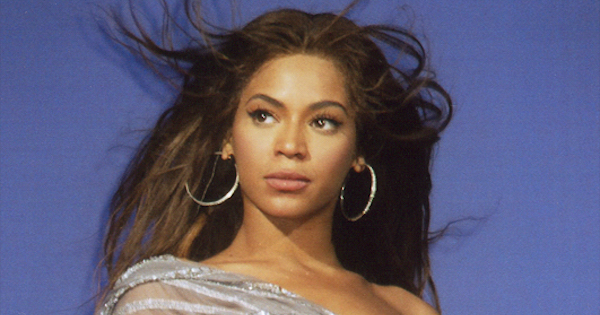
- Profile of the Day: Beyoncé Knowles
 by Amanda on September 4, 2026 at 10:05 am
Happy birthday to Beyoncé! Today the music superstar turns 45. Image: Beyoncé / Jen Keys, Wikimedia Commons Beyoncé Giselle Knowles on September 4, 1981 in Houston, Texas to Matthew and Celestine “Tina” Knowles. Her first name is a tribute to her mother’s maiden name, Beyoncé. Her maternal grandparents were French-speaking Louisiana Creoles and it is through her mother’s branch of the family that she descends from Joseph Broussard, who led the first group of Acadians to what is today Louisiana. Broussard… Read the full story The post Profile of the Day: Beyoncé Knowles first appeared on About Geni.
- Profile of the Day: E.E. Cummings
 by Amanda on September 3, 2026 at 4:15 pm
Today we remember American poet E.E. Cummings, who passed away on this day in 1962 at the age of 67. A prolific writer, Cummings is often regarded as one of the most important American poets of the 20th century. Image: E.E. Cummings / Library of Congress He was born Edward Estlin Cummings on October 14, 1894 in Cambridge, Massachusetts. His father, Edward Cummings, was a professor and Unitarian minister. From a young age, Cummings began writing… Read the full story The post Profile of the Day: E.E. Cummings first appeared on About Geni.
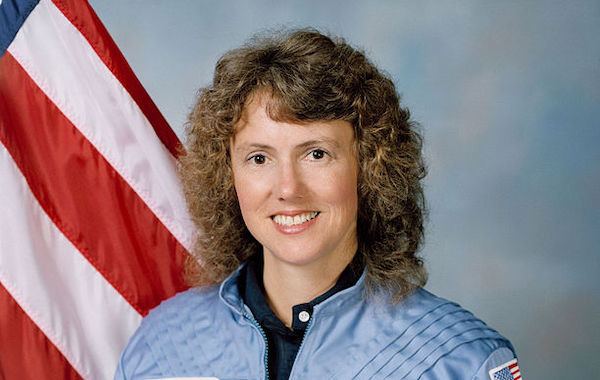
- Profile of the Day: Christa McAuliffe
 by Amanda on September 2, 2026 at 3:45 pm
On this day in 1948, high school teacher Christa McAuliffe was born in Boston, Massachusetts. McAuliffe made history when she became the first American civilian to be selected to go into space. Sadly, she died in the explosion of the space shuttle Challenger in 1986. Image: Christa McAuliffe / NASA In 1985, McAuliffe was selected to participate in the NASA Teacher in Space Project and become the first teacher to go to space. The purpose of the program was… Read the full story The post Profile of the Day: Christa McAuliffe first appeared on About Geni.
- Webtember 2026 Starts Today: Join a Month of Free Genealogy Webinarsby Esther Shuman on September 2, 2026 at 8:51 am
Webtember is back! Legacy Family Tree Webinars’ annual online genealogy conference begins today, September 2, with a new lineup of free live webinars taking place every Wednesday throughout September. This year’s program covers AI and technology, U.S. research, MyHeritage, DNA, research methods, and more. Each Wednesday focuses on a different area of family history research, The post Webtember 2026 Starts Today: Join a Month of Free Genealogy Webinars appeared first on MyHeritage Blog.
- Free US & Canada Census Records for Labor Day: What Your Ancestors’ Jobs Revealby Esther Shuman on September 2, 2026 at 6:14 am
Starting today, September 2, through September 7, 2026 — MyHeritage is unlocking 928.4 million U.S. and Canada census records, free. In honor of Labor Day, MyHeritage is opening its entire collection of US and Canadian census records — no subscription required — so you can trace exactly how your ancestors earned their living. Search U.S. The post Free US & Canada Census Records for Labor Day: What Your Ancestors’ Jobs Reveal appeared first on MyHeritage Blog.
- 10 More Great Genealogy Websites – Premium Episode 227by Lisa Cooke on September 1, 2026 at 10:20 pm
(AUDIO PODCAST) If you loved discovering new genealogy research websites in the last free episode (#310) , get ready to dive even deeper. This premium episode of the Genealogy Gems Podcast is your guide to ten more powerful websites for genealogy research and family history research, covering federal land records, archival finding aids, small town Source
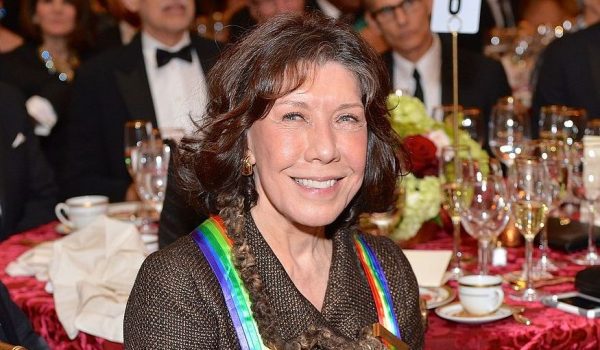
- Profile of the Day: Lily Tomlin
 by Amanda on September 1, 2026 at 4:00 pm
Happy birthday to actress and comedy legend Lily Tomlin! Today the star turns 87. Image: Lily Tomlin / U.S. Department of State Tomlin was born Mary Jean Tomlin on September 1, 1939 in Detroit, Michigan to Guy Tomlin and Lillie Mae Ford. After high school, Tomlin enrolled at Wayne State University to study medicine. During her time in school, she began taking theater art classes and before long, she was performing stand-up comedy at local… Read the full story The post Profile of the Day: Lily Tomlin first appeared on About Geni.
- Profile of the Day: Richard Gere
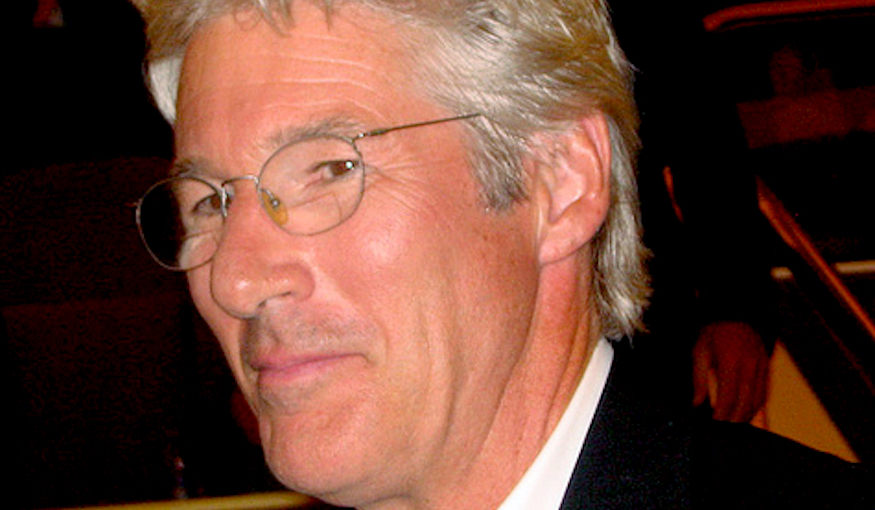 by Amanda on August 31, 2026 at 4:00 pm
Happy birthday to Richard Gere! Today the actor turns 77. Image: Richard Gere / Francesco, Flickr (CC BY 2.0) The popular actor was born Richard Tiffany Gere in Philadelphia, Pennsylvania on August 31, 1949. His middle name comes from his mother, whose maiden name was Tiffany. Gere’s family had deep early American roots. He descends from Mayflower passengers through both his mother and father. As a teen, Gere excelled at gymnastics and even earned a… Read the full story The post Profile of the Day: Richard Gere first appeared on About Geni.
- Profile of the Day: Sheridan Le Fanu
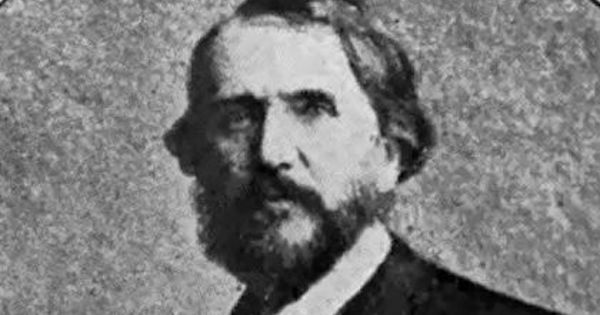 by Amanda on August 28, 2026 at 4:50 pm
On this day in 1814, Irish horror writer Sheridan Le Fanu was born. Considered to be the leading ghost story writer of the 19th century, Le Fanu’s works played a significant role in shaping the genre during the Victorian era. Image: Sheridan Le Fanu / Wikimedia Commons Le Fanu was born Joseph Thomas Sheridan Le Fanu on August 28, 1814 in Dublin, Ireland. He was born into a literary family with many writers and playwrights, including his great… Read the full story The post Profile of the Day: Sheridan Le Fanu first appeared on About Geni.
- Profile of the Day: Lyndon B. Johnson
 by Amanda on August 27, 2026 at 5:25 pm
On this day in 1908, Lyndon B. Johnson was born. Elected as Vice President in 1960, Johnson was sworn in as the 36th President of the United States upon the assassination of President John F. Kennedy in 1963. Image: Lyndon B. Johnson / U.S. National Archives and Records Administration Lyndon Baines Johnson was born in a small farmhouse on August 27, 1908 near Johnson City, Texas. He was the first of five children born to Samuel Ealy… Read the full story The post Profile of the Day: Lyndon B. Johnson first appeared on About Geni.
- Geni Tips: Exploring the Create a Branch Feature
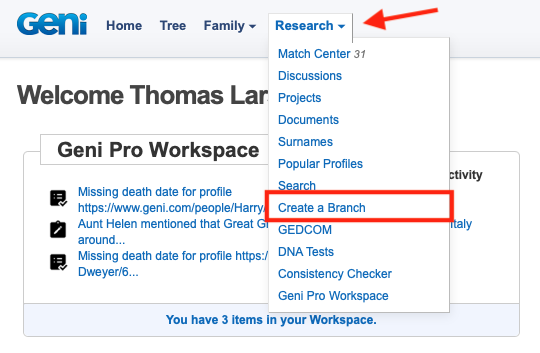 by Amanda on August 26, 2026 at 9:54 pm
When building out your family tree, you will occasionally come across a fascinating new line, a cluster of DNA matches, or historical records for individuals you know are part of your extended family history, but you just don’t know how they connect to the existing tree yet. To help solve this puzzle on Geni, we created the Create a Branch feature. This free tool allows anyone to seamlessly start an unconnected family tree branch and… Read the full story The post Geni Tips: Exploring the Create a Branch Feature first appeared on About Geni.
- Profile of the Day: Albert, Prince Consort
 by Amanda on August 26, 2026 at 4:25 pm
On this day in 1819, Prince Albert, the husband of Queen Victoria, was born in Schloss Rosenau, Germany. Image: Albert, Prince Consort / Library of Congress Born Albert Francis Charles Augustus Emmanuel of Saxe-Coburg-Gotha, the Prince was the second son of Ernest I, Duke of Saxe-Coburg-Saalfeld, and his first wife, Louise of Saxe-Gotha-Altenburg. In 1840, he married his first cousin, Queen Victoria, who had inherited the English throne just a few years earlier at the… Read the full story The post Profile of the Day: Albert, Prince Consort first appeared on About Geni.
- Profile of the Day: Sean Connery
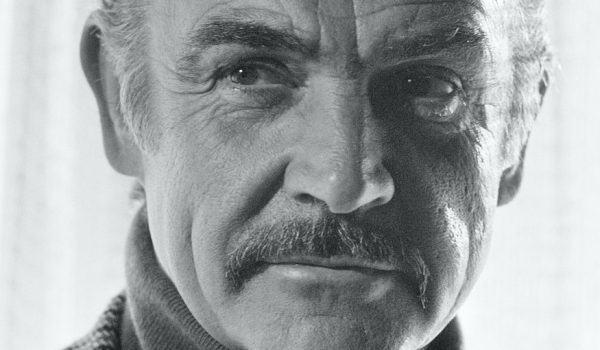 by Amanda on August 25, 2026 at 4:05 pm
Today we remember actor Sean Connery on what would have been his 96th birthday. Image: Sean Connery / Nationaal Archief, CC0 Thomas Sean Connery was born on August 25, 1930 in Edinburgh, Scotland to Euphemia McBain, a cleaning woman, and Joseph Connery, a factory worker and lorry driver. Named after his paternal grandfather, Connery went by the name “Tommy” growing up. Before becoming an actor, Connery’s first job was a milkman at the age of… Read the full story The post Profile of the Day: Sean Connery first appeared on About Geni.
- Profile of the Day: William I of the Netherlands
 by Amanda on August 24, 2026 at 5:15 pm
Do you have family ties to Dutch royalty? On this day in 1772, William I of the Netherlands, the first King of the Netherlands, was born. Image: William I of the Netherlands / Wikimedia Commons He was the son of William V, Prince of Orange of the Dutch Republic, and Wilhelmina of Prussia. In 1791, he married his first cousin, Wilhelmina, who was the daughter of King Frederik William II of Prussia. After the French… Read the full story The post Profile of the Day: William I of the Netherlands first appeared on About Geni.
- Profile of the Day: William IV
 by Amanda on August 21, 2026 at 4:15 pm
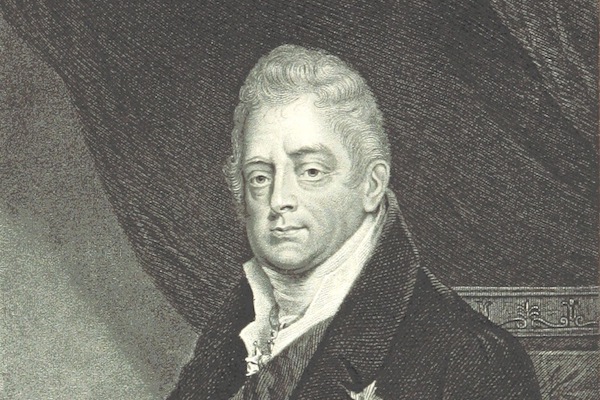
On this day in 1765, William IV of the United Kingdom was born. The third son of George III, William became king after the death of his elder brother George IV. Image: William IV / Wikimedia Commons William was born at Buckingham Palace on August 21, 1765. As the third son born to King George III and Queen Charlotte, William was never expected to inherit the crown. He joined the Royal Navy at the age… Read the full story The post Profile of the Day: William IV first appeared on About Geni.
- Surfin’ the Internet for Great Genealogy Websitesby Lisa Cooke on August 20, 2026 at 7:04 pm
(AUDIO PODCAST) It’s August, and before summer slips away, we’re going surfing—genealogy style! In this episode, we’re taking a fast-moving tour of favorite genealogy websites, along with some lesser-known gems that may be completely new to you. At each stop, you’ll discover a reason to visit and a practical tip for getting more from the Source
- Profile of the Day: Benjamin Harrison
 by Amanda on August 20, 2026 at 4:30 pm
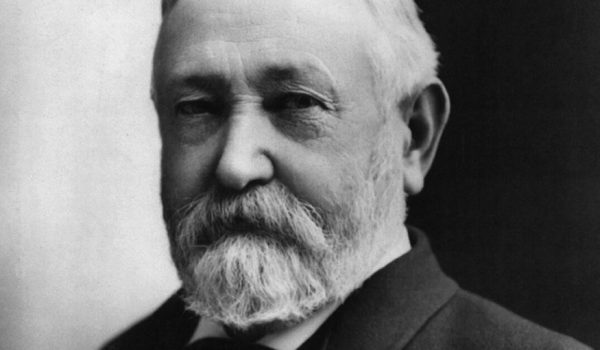
On this day in 1833, Benjamin Harrison was born. Harrison served as the 23rd President of the United States from 1889 to 1893. Image: Benjamin Harrison / Library of Congress Harrison was born on August 20, 1833 to John Harrelson and Elizabeth Irwin in North Bed, Ohio. He was the grandson of William Henry Harrison, the 9th President of the United States and first governor of the Indiana Territory. Harrison was seven years old when his grandfather was… Read the full story The post Profile of the Day: Benjamin Harrison first appeared on About Geni.
- Profile of the Day: Gene Roddenberry
 by Amanda on August 19, 2026 at 4:55 pm
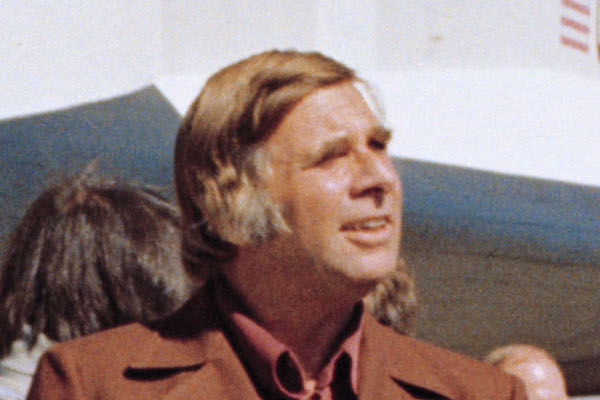
Are you a Star Trek fan? On this day in 1921, Star Trek creator Gene Roddenberry was born in El Paso, Texas. Image: Gene Roddenberry / NASA As a young man, Roddenberry became interested in aeronautical engineering and earned a pilot license through the Civilian Pilot Training Program. During World War II, Roddenberry enlisted in the United States Army Air Corps and flew an estimated 89 combat missions. He was awarded the Air Medal and the Distinguished Flying Cross…. Read the full story The post Profile of the Day: Gene Roddenberry first appeared on About Geni.
- Profile of the Day: Robert Redford
 by Amanda on August 18, 2026 at 10:15 am
Today we remember Robert Redford on what would have been his 90th birthday. Image: Robert Redford / San Diego Air and Space Museum Archive Charles Robert Redford, Jr. was born on August 18, 1936 in Santa Monica, California. He was the only child born to Martha W. Hart and Charles Robert Redford, Sr., a milkman-turned-accountant. After starting out with small roles on television, Redford became a major star after co-starring with Paul Newman in the box office… Read the full story The post Profile of the Day: Robert Redford first appeared on About Geni.
- Profile of the Day: Davy Crockett
 by Amanda on August 17, 2026 at 4:25 pm
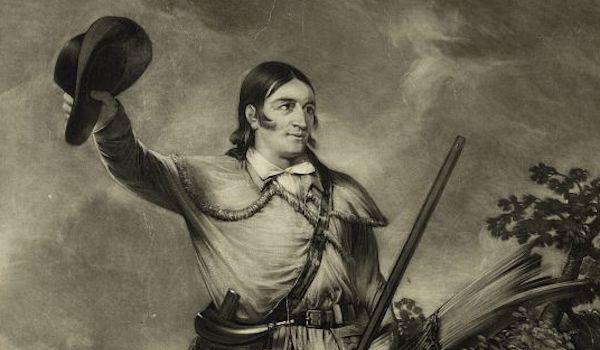
Are you related to American folk hero Davy Crockett? On this day in 1786, the famous frontiersman was born. Image: Davy Crockett / Library of Congress Crockett was born on August 17, 1786 to John M. Crockett and Rebecca Sullivan Crockett. He learned to shoot at the age of 8 and gained a reputation for hunting and story telling. In 1826, he was elected to Congress and served two terms before leaving politics to join the… Read the full story The post Profile of the Day: Davy Crockett first appeared on About Geni.
- Profile of the Day: Halle Berry
 by Amanda on August 14, 2026 at 10:15 am
Happy birthday to Halle Berry! Today the famous actress turns 60. Image: Halle Berry / Gage Skidmore, CC BY-SA 2.0 Berry was born Maria Halle Berry on August 14, 1966 in Cleveland, Ohio to Judith Ann Hawkins, a psychiatric nurse, and Jerome Jesse Berry, a hospital attendant. After her parents divorced when she was four years old, Berry and her older sister were raised by her mother. Before becoming an actress, Berry competed in several… Read the full story The post Profile of the Day: Halle Berry first appeared on About Geni.
- Profile of the Day: Lucy Stone
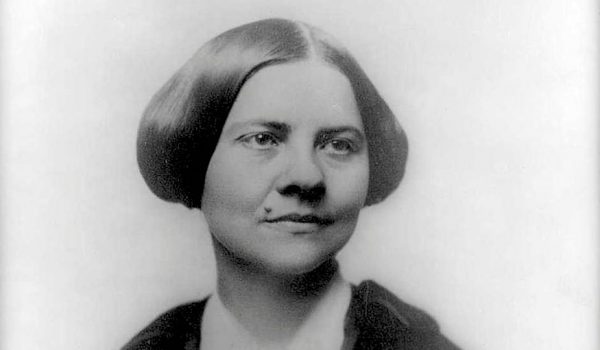 by Amanda on August 13, 2026 at 10:15 am
On this day in 1818, orator, abolitionist, and suffragist Lucy Stone was born. Image: Lucy Stone / Library of Congress Stone was born on August 13, 1818 on her family’s farm in West Brookfield, Massachusetts to Francis Stone and Hannah Matthews. From an early age, Stone was frustrated by the restrictions placed on women. Although her father ridiculed her desire to further her education, Stone was determined to go to college. She secured a position… Read the full story The post Profile of the Day: Lucy Stone first appeared on About Geni.
- Profile of the Day: Cecil B. DeMille
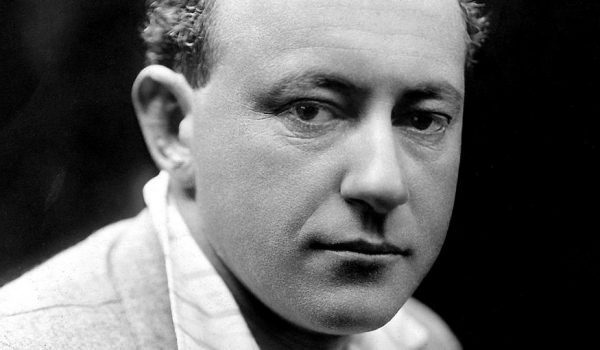 by Amanda on August 12, 2026 at 4:35 pm
On this day in 1881, pioneering film director Cecil B. DeMille was born. Considered to be a founding father of the Hollywood film industry, DeMille’s films were distinguished by their epic scale and groundbreaking special effects, which attracted vast audiences. Image: Cecil B. DeMille / Wikimedia Commons DeMille was born on August 12, 1881 in a boarding house on Main Street in Ashfield, Massachusetts, where his parents had been vacationing for the summer. He was… Read the full story The post Profile of the Day: Cecil B. DeMille first appeared on About Geni.
- Profile of the Day: Edith Wharton
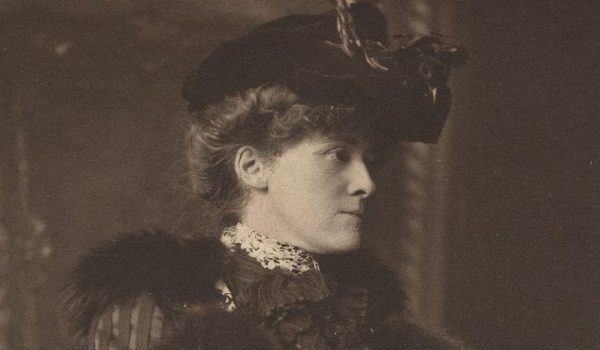 by Amanda on August 11, 2026 at 4:00 pm
Do you have any writers in your family tree? On this day in 1937, author Edith Wharton died at the age of 75 in Saint-Brice-sous-Forêt, France. Image: Edith Wharton / Wikimedia Commons Wharton was born Edith Newbold Jones on January 24, 1862 to George Frederic Jones and Lucretia Stevens Rhinelander. The saying “keeping up with the Joneses” is said to refer to her paternal family, who were a very wealthy and socially prominent New York… Read the full story The post Profile of the Day: Edith Wharton first appeared on About Geni.
- Profile of the Day: Herbert Hoover
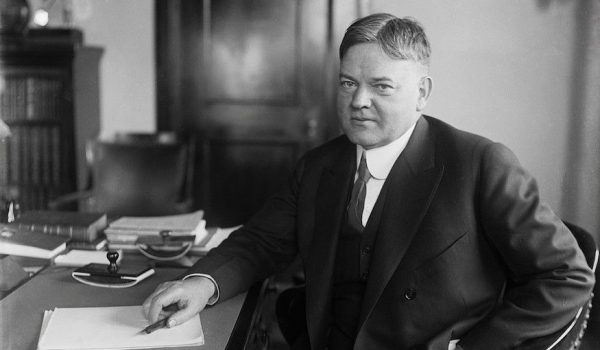 by Amanda on August 10, 2026 at 4:30 pm
On this day in 1874, Herbert Hoover, the 31st President of the United States, was born in West Branch, Iowa. Image: Herbert Hoover / Library of Congress Hoover was the son of Hulda Randall Minthorn and Jesse Hoover, a blacksmith. Sadly, by the age of 9, he was an orphan. He was raised by his uncle, John Minthorn, a physician and businessman. Before the presidency, Hoover worked as an engineer in China. He and his… Read the full story The post Profile of the Day: Herbert Hoover first appeared on About Geni.
- Profile of the Day: Charlize Theron
 by Amanda on August 7, 2026 at 10:15 am
Happy birthday to actress Charlize Theron! Today the star turns 51. Image: Charlize Theron / Gage Skidmore, Wikimedia Commons (CC BY-SA 2.0) Theron was born on August 7, 1975 in Benoni, Gauteng, South Africa and grew up on her family’s farm outside of Johannesburg. She spent her childhood studying ballet, and although she saw herself as a dancer, she began her career as a model. After an injury left her unable to pursue a career as… Read the full story The post Profile of the Day: Charlize Theron first appeared on About Geni.
- Profile of the Day: Lucille Ball
 by Amanda on August 6, 2026 at 10:25 am
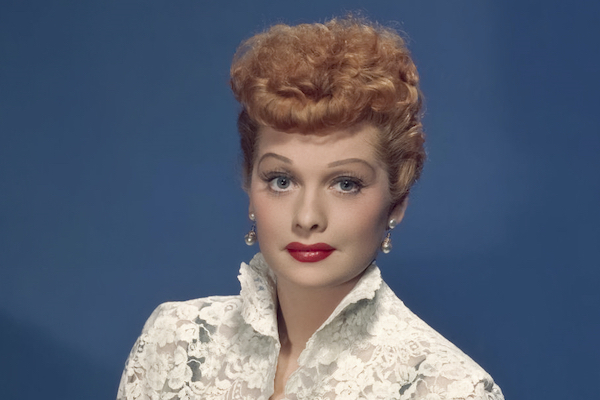
Today we remember actress Lucille Ball, who was born on this day in 1911. Image: Lucille Ball / Wikimedia Commons Lucille Désirée Ball was born on August 6 ,1911 in Jamestown, New York. After her father died of typhoid fever in 1915, the family moved in with her maternal grandparents. She and her brother were later cared for by their step-grandparents after her mother remarried. As a teen, Ball attended the John Murray Anderson School for… Read the full story The post Profile of the Day: Lucille Ball first appeared on About Geni.
- Profile of the Day: Neil Armstrong
 by Amanda on August 5, 2026 at 5:05 pm
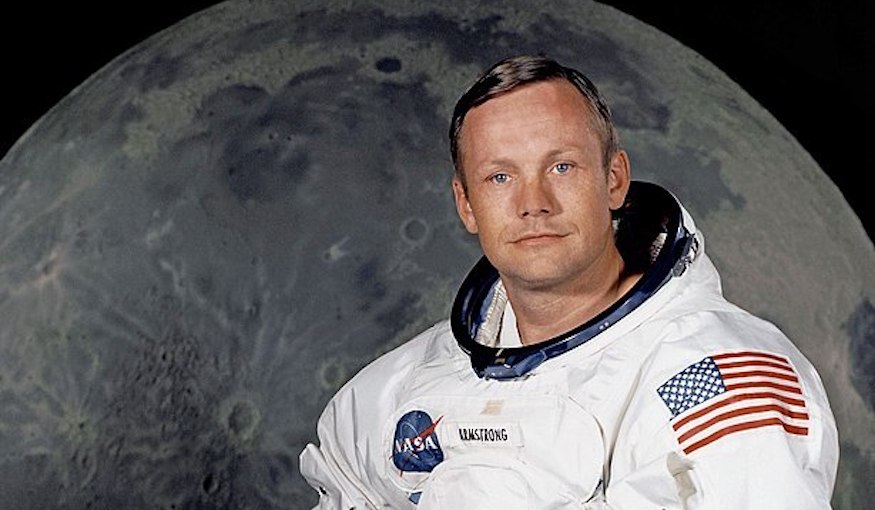
Today we celebrate what would have been astronaut Neil Armstrong’s 96th birthday! Image: Neil Armstrong / NASA Neil Alden Armstrong was born to Stephen Koenig Armstrong and Viola Louise in Wapakoneta, Ohio on August 5, 1930. Armstrong’s love of flying began at a young age when his father took him on his first airplane flight at the age of five. After serving in the Korean War and finishing college, Armstrong joined the National Advisory Committee for… Read the full story The post Profile of the Day: Neil Armstrong first appeared on About Geni.
- Discover Free MyHeritage Record Matches and the New Match Center
 by Amanda on August 4, 2026 at 10:09 pm
We’re thrilled to announce some new improvements to MyHeritage Record Matches on Geni! Finding historical records for your ancestors is crucial for building a high-quality family tree, and now, we’ve made it easier than ever to discover and confirm records that are completely free to view with no MyHeritage data subscription required. While a MyHeritage data subscription gives you full access to billions of historical records, there are many incredibly valuable collections that are available… Read the full story The post Discover Free MyHeritage Record Matches and the New Match Center first appeared on About Geni.
- Profile of the Day: Percy Bysshe Shelley
 by Amanda on August 4, 2026 at 4:15 pm
On this day in 1792, poet Percy Bysshe Shelley was born in Sussex, England. Regarded as one of the greatest English Romantic poets of the 19th century, Shelley’s work was often characterized as visionary and radical by his peers. Image: Percy Bysshe Shelley / Wikimedia Commons Shelley was the eldest legitimate son born to Sir Timothy Shelley, a member of Parliament, and Elizabeth Pilfold. He grew up learning to fish and hunt in the meadows around… Read the full story The post Profile of the Day: Percy Bysshe Shelley first appeared on About Geni.
- Profile of the Day: Haakon VII of Norway
 by Amanda on August 3, 2026 at 5:05 pm
Do you have a connection to Norwegian royalty? On this day in 1872, Haakon VII of Norway was born. Regarded as one of the greatest Norwegians of the 20th century, Haakon VII is one of the few monarchs in history to have been elected to the throne. Image: Haakon VII / National Library of Norway, Flickr The Norwegian king was born Christian Frederick Carl Georg Valdemar Axel on August 3, 1872 in Denmark at Charlottenlund… Read the full story The post Profile of the Day: Haakon VII of Norway first appeared on About Geni.
- Profile of the Day: George H. Thomas
 by Amanda on July 31, 2026 at 10:15 am
Did your ancestors fight in the American Civil War? On this day in 1816, Union general George H. Thomas was born. Image: George H. Thomas / Library of Congress Thomas was born on July 31, 1816 in Newsom’s Depot, Virginia to John Thomas and Elizabeth Rochelle. At the outbreak of the American Civil War, Thomas chose to stay with the U.S. Army despite his Virginian heritage. His decision to remain loyal to the Union caused… Read the full story The post Profile of the Day: George H. Thomas first appeared on About Geni.
- Profile of the Day: Arnold Schwarzenegger
 by Amanda on July 30, 2026 at 4:05 pm
Happy birthday to Arnold Schwarzenegger! Today the star turns 79. Image: Arnold Schwarzenegger / Library of Congress Arnold Alois Schwarzenegger was born in Thal, Austria to Gustave Schwarzenegger, a local police chief, and Aurelia Jadrny. His father was once a member of the Nazi party and favored his eldest son over Arnold. Struggling with a tough home life, Arnold turned to movies as an escape and dreamed of moving to the U.S. At 15, he began weight… Read the full story The post Profile of the Day: Arnold Schwarzenegger first appeared on About Geni.
- Profile of the Day: Vincent van Gogh
 by Amanda on July 29, 2026 at 5:00 pm
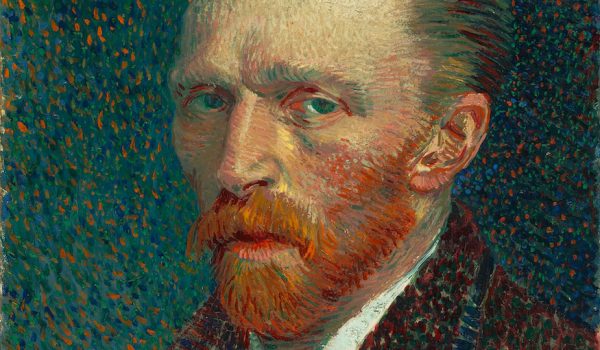
Today we remember Vincent van Gogh, who died on July 29, 1890. Although he is widely considered to be one of the most influential painters of the 20th century, van Gogh was virtually unknown during his lifetime. Image: Vincent van Gogh / Wikimedia Commons Vincent Willem van Gogh was born on March 30, 1853 in Zundert, Netherlands to Theodorus van Gogh, a minister of the Dutch Reformed Church, and Anna Cornelia Carbentus. The eldest of… Read the full story The post Profile of the Day: Vincent van Gogh first appeared on About Geni.
- Profile of the Day: Jacqueline Kennedy Onassis
 by Amanda on July 28, 2026 at 10:15 am
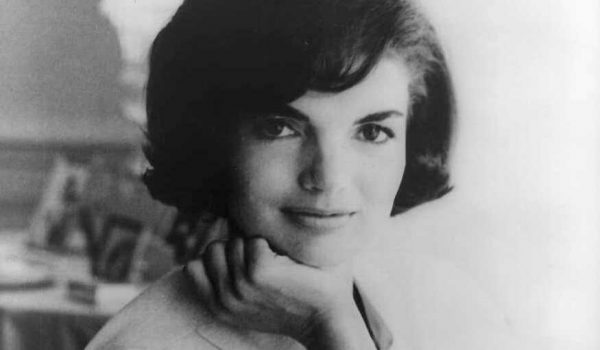
On this day in 1929, former First Lady Jacqueline Kennedy Onassis was born. Image: Library of Congress Jacqueline Lee Bouvier was born on July 28, 1929 in Southampton, New York. Her father, John Vernou Bouvier III, was a wealthy Wall Street stockbroker whose family had come from France in the early 1800s. Her mother, Janet Norton Lee, was a socialite and accomplished equestrian with Irish heritage. In 1961, she became First Lady of the United States… Read the full story The post Profile of the Day: Jacqueline Kennedy Onassis first appeared on About Geni.
- Profile of the Day: Bob Hope
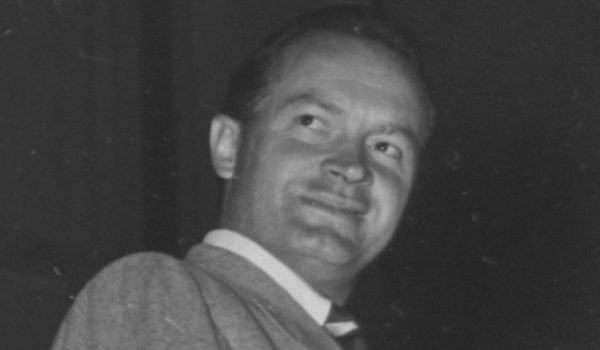 by Amanda on July 27, 2026 at 6:05 pm
Today we remember legendary comedian Bob Hope, who died on this day in 2003 at the age of 100. With a career that spanned more than eight decades, Hope conquered almost every entertainment medium, from vaudeville and Broadway to radio, television, and film. Image: Bob Hope / U.S. National Archives and Records Administration He was born Leslie Townes Hope on May 29, 1903 in Eltham, London and was the fifth of seven sons born to… Read the full story The post Profile of the Day: Bob Hope first appeared on About Geni.
- A Fond Farewellby The Ancestry Insider on May 19, 2017 at 12:00 pm
Dear friends, I’m afraid the time has come for the Ancestry Insider to say goodbye. Over ten years ago I put virtual pen to virtual paper. Now it is time to put it down. I wonder if a couple of times a year you might still see something from me, but this may be it. This newsletter has brought me lots of enjoyment. I’ve enjoyed trying to bring you news you didn’t get anywhere else. I’ve enjoyed teaching how to better utilize Ancestry.com and FamilySearch.org. Through my reports about national conferences, I’ve enjoyed promoting education. Through my series on serendipity, I’ve enjoyed sharing my belief about the miraculous nature of life and family history. Through my Monday mailbox series, I’ve enjoyed answering your questions. Through my series, “Records Say the Darnedest Things,” I’ve enjoyed teaching about records and methodology. I have enjoyed the opportunities to acknowledge FamilySearch’s sponsor—and my current employer—The Church of Jesus Christ of Latter-day Saints. This newsletter began at a time when Ancestry’s communication policy was to say nothing. FamilySearch didn’t do much better when I started reporting on the rollout of New FamilySearch. Today, both organizations have healthy, vibrant communication programs. This newsletter has also consumed about six hours of my personal life each week and I think it is time for a change. But I put down this pen with a great measure of sadness. This newsletter has given me the opportunity to rub shoulders with many wonderful people. Thank you. For that I am most grateful. Of myself, I am pretty insignificant and I am forever humbled that you would consider this newsletter worth a little of your time. Before I say goodbye, I’d like to personally thank each and every single one of you. Thank you, thank you, thank you, thank you, thank you, thank you, thank you, thank you, thank you, thank you, thank you, thank you, thank you, thank you, thank you, thank you… Wow! This is going to take some time… Please feel free to go about your lives while I finish up. Thank you, thank you, thank you, thank you, thank you, thank you, thank you, …, …, …, …, …, …, …, …, …, …, …, …, …, …, …, …, …, …, …, …, …, …, …, …, …, …, …, …, …; (inside joke), …, …, …, …, …, …, …, …, …, …, …, …, …, …, …, …, …, …, …, …, …, …, …, …, …, …, …, …, …, …, …, …, …, …, …, …, …, …, …, …, …, …, …, …, …, …, …, …, …, …, …, …, …, …, …, …, …, …, …, …, …, …, …, …, …, …, …, …, …, …, …, …, …, …, …, …, …, …, …, …, …, …, …, …, …, …, …, …, …, …, …, …, …, …, …, …, …, …, …, …, …, …, …, …, …, …, …, …, …, …, …, …, …, …, …, …, …, …, …, …, …, …, …, …, …, …, …, …, …, …, …, …, … Notice: The opinions expressed herein are those of the Ancestry Insider, not necessarily those of Ancestry.com or FamilySearch. All content is copyrighted by the Ancestry Insider unless designated otherwise. See http://ancestryinsider.org for other important legal notices.
- The Science Behind AncestryDNA — #NGS2017GENby The Ancestry Insider on May 18, 2017 at 12:00 pm
Julie Granka, of AncestryDNA, spoke about “Understanding the Science Behind Your DNA Results” at the 2017 National Genealogical Society Conference last week. I’m hardly qualified to report about this session, but I’ll give it a try. Julie started by defining several terms, utilizing lots of diagrams. I was hoping to link to some pages on Ancestry.com that contain explanations as clear and simple as Julie’s. No luck. If I am going to provide links to basic information about DNA and genealogy, I will have to send you to someplace other than Ancestry. That is too bad. They should publish Julie’s presentation on their website. Judy Russell, The Legal Genealogist, has provided a nice list of links to introductory information. See “DNA Basics for a Sound Foundation.” Suffice it to say, there are basic building blocks of DNA that are represented by the letters A, C, G, and T. Our chromosomes are composed of long strings of these—3 billion, in fact. Almost all the letters are the same in every single person on the planet. Julie said that only about 10 million are different among different individuals and populations. A DNA test looks at about 700,000 of them. A location in the string of letters where the letters differ between individuals is called a SNP (pronounced “snip”). A group of inherited letters is called a haplotype. Julie studies SNPs and haplotypes in the context of human populations. “Patterns of SNPs and haplotypes among human populations are driven by history,” she said. “As humans migrate, they bring their DNA with them.” She explained the founder effect: Not everyone in a population has the same SNPs and haplotypes. If a small number of people migrate somewhere, their most common SNPs and haplotypes are likely to be different than the parent population. They have founded a population with a different profile than the parent population. A related phenomena is isolation. If I understand correctly, newborns in an isolated population are statistically more likely to have the most common SNPs and haplotypes of their population. These effects make different populations look different genetically. AncestryDNA uses the SNPs and haplotypes to determine three things. Tiny amounts of the haplotypes and SNPs associated with a population from the distant past (hundreds of thousands of years) survive in our DNA. AncestryDNA uses this information to provide your ethnicity estimates. To determine what SNPs and haplotypes are associated with distant populations, AncestryDNA uses reference panels. These are individuals whose haplotypes and SNPs are thought to be representative of the distant populations. AncestryDNA has 26 reference panels. Founder effect and isolation make ethnicity estimates easy. Migration makes ethnicity estimates difficult. Large amounts of shared haplotypes between two persons indicate recent common ancestors. The more closely related, the more DNA is shared. AncestryDNA uses this information to provide your DNA matches. There are several challenges in determining DNA matches. Just sharing DNA doesn’t mean you are closely related. DNA you share for other reasons is called identical by state (IBS). DNA shared because of recent common ancestry is called identical by descent (IBD). AncestryDNA has to determine the difference. Another challenge arises from the way DNA is processed in the laboratory. For any given SNP, the data coming from the lab does not differentiate between the value contributed by your father and the value coming from your mother. AncestryDNA uses tools to estimate which came from which. She didn’t say this, but I would guess that if they ever get it wrong, you could be shown relatives who aren’t really your relatives. In between the two extremes, AncestryDNA searches for groups of people who share large numbers of matches to others within a group. They use this information to provide your Genetic Communities. It is possible to share no DNA at all with cousins. The closer the cousin, the higher the probability of shared DNA. Julie showed these numbers: Cousin Probability of shared DNA 1st 100 2nd 100 3rd 98 4th 71 5th 32 6th 11 7th 3.2 She showed a chart that looked like the one below. I think it indicated the average amount of shared DNA between two close relatives. It went by so fast, I am not certain. However, Blaine T. Bettinger provides similar data, which I’ve charted below. Source: Blaine T. Bettinger, “The Shared CM Project – Version 2.0 (June 25, 2016),” The Genetic Genealogist (http://www.thegeneticgenealogist.com : updated 31 July 2016). AncestryDNA uses these numbers to estimate your relationship to your DNA matches. She covered more, but that’s about all I have time and space for here. I’m sorry that I’m not as clear as she was, but hopefully you learned something. Chromosome inheritance diagram credit: Catherine A. Ball, et. al., “DNA Circles White Paper,” Ancestry (http://www.ancestry.com/cs/dna-help/circles/whitepaper : updated 18 November 2014), figure 2.1. Notice: The opinions expressed herein are those of the Ancestry Insider, not necessarily those of Ancestry.com or FamilySearch. All content is copyrighted by the Ancestry Insider unless designated otherwise. See http://ancestryinsider.org for other important legal notices.
- FamilySearch: A Global Experience at #NGS2017GENby The Ancestry Insider on May 16, 2017 at 12:00 pm
The 2017 National Genealogical Society conference wrapped up last Saturday, and after a couple of articles, so will I. Diane Loosely of FamilySearch spoke at the FamilySearch luncheon. Her title was “FamilySearch: A Global Experience.” She described three definitions of global for which FamilySearch is global. One definitions of global refers to world-wide global reach. Diane showed us a FamilySearch booklet, My Family: Stories that Bring Us Together. It is available in 66 languages. FamilySearch has 5,000 family history centers located in 33 countries. They offer support to patrons in 13 languages. FamilySearch operates cameras in countries across the globe. They have 5.6 billion names published online from many countries. They publish an additional 2 million names a day. Diane showed a video, “Preserving and Accessing the Records of the World,” documenting record destruction in the Philippines resulting from super-Typhoon Yolanda. One town’s records, indeed all the town offices, were completely destroyed. All that was left was the cement floor of the building. Because FamilySearch had photographed their records, FamilySearch was able to restore all the records to them. Diane said that FamilySearch is gathering the genealogies of villages in Africa that, today, are preserved only by “Rememberers.” Aging village elders have memorized the genealogies of the village. Many are old and their knowledge is perishing with them. In the case of 95-year old Opanin Kwame Nketia, FamilySearch interviewed him and documented 12 generations and 1,000 people. A couple of days later when they returned to thank him, they discovered he had passed way. Diane said that 50 years ago FamilySearch canvassed Mexico, filming their records. It is thought that today 15 to 20% of those records have perished. Another sense of the word global is the idea of operating on a whole set of things. To find and search all of FamilySearch’s records, you have to know a few ways of accessing the records. Diane showed a Kentucky probate collection containing 12,000 names and nearly a million images. Obviously, FamilySearch had not completely indexed the collection. To access all the records, you have to be prepared to browse through the images like you would microfilm. She also pointed out that some records are accessed only through the catalog. Another sense of the word global is embracing the whole of something. “We feel a responsibility to help everyone discover their family history,” she said. She shared the quote from the Emory university study stating that the more children know about their family’s history, the stronger their sense of control over their lives and the higher their self-esteem. FamilySearch recently remodeled the first floor of the Salt Lake Family History Library to appeal to a younger generation. Diane shared the well-known quote of Alex Haley: In all of us there is a hunger, marrow-deep, to know our heritage—to know who we are and where we have come from. Without this enriching knowledge, there is a hollow yearning. No matter what our attainments in life, there is still a vacuum, an emptiness, and the most disquieting loneliness. She then challenged us to choose a person we would like to introduce to family history. Prepare beforehand. Then go and give them a meaningful experience with family history. Note: I was interested in where one might find Alex Haley’s original quote, as very few people cite the source. Barbara Renick in her book Genealogy 101: How to Trace Your Family’s History and Heritage (Thomas Nelson Inc., 2003) is the only source I could find who cited a source: “What Roots Means to Me,” Reader’s Digest (May 1977), 73-74. Notice: The opinions expressed herein are those of the Ancestry Insider, not necessarily those of Ancestry.com or FamilySearch. All content is copyrighted by the Ancestry Insider unless designated otherwise. See http://ancestryinsider.org for other important legal notices.
- Darned Page Orderby The Ancestry Insider on May 12, 2017 at 3:00 pm
Tracy Reinhart is a long-time researcher who remembers way back when accessing the census meant scrolling through microfilm. Long ago she discovered her Braford ancestors’ family in Cannon, Kent, Michigan was one of those split across pages in a census. Online publishers like Ancestry and FamilySearch have to identify these split families and join them back together. That’s a fairly straightforward process unless you run into the situation Tracy ran into recently. “Part of the 1870 census for Cannon, Kent Co. Mich. was not filmed in page order,” she told me. “As a result, when a family list carries over from one page to the next, you will find wrong family associations.” She found that for Cannon, Kent, Michigan: Image 28 on Ancestry.com is page 28 and ends with the Henry Wolaver family. Image 29 on Ancestry.com is page 30. Notice page 29 was skipped. It starts with Emma Braford. Since Emma has no family or dwelling numbers, we know that she belongs to the family on the previous page. Because the pages were filmed in the wrong order, Ancestry erroneously places her in the Henry Wolaver family. This page ends with the Harry (or Harvy) Haines family. Image 30 on Ancestry.com is page 31, which correctly continues with Mary Haines. Image 31 on Ancestry.com is page 29, the skipped page. It ends with the A. B. Brayford family. I was interested to see how FamilySearch handled this situation. Researchers with access to both Ancestry.com and FamilySearch.org universally advise using Ancestry.com for census research and the 1870 census on FamilySearch.org is a good illustration of why. If you search for Cannon, Kent, Michigan, you get everyone living in the entire state of Michigan! If you don’t know where your person lived, but you somehow find them, FamilySearch doesn’t indicate where the person was! The only advantage I see for searching FamilySearch’s 1870 census is that in a search you can specify another family member (in the “Other Person” field). That’s not possible on Ancestry. But I digress… As I compared FamilySearch.org with Ancestry.com, I noticed several interesting things. The image order on FamilySearch.org matches Ancestry.com. FamilySearch didn’t erroneously combine the Wolaver and Braford families. But they also didn’t correctly join the the two parts of the Brayford/Braford family. While Ancestry has 31 images for Cannon, Kent, Michigan, FamilySearch has 32. Ancestry has left out one of the pages from the microfilm! I’ve seen FamilySearch do the same thing. Neither company discloses the censure. The companies deem the image to have no genealogical value so they delete it. This is a very bad practice! There is no guarantee the decision maker understands advanced methodologies that may require a knowledge of the existence of that page, its contents, or the lack thereof. (A little looking showed this particular page is facing page 31 on folio 139. It has no names on it.) The digital folder number (004271429) and image number (00268) for Emma Bradford on FamilySearch.org match the image URL on Ancestry.com: https://www.ancestry.com/interactive/7163/4271429_00268. That’s kind of techie, but the takeaway is that Ancestry seems to be using FamilySearch images. FamilySearch misindexed the name Braford on page 30 as Bradford. Ancestry did not. Ancestry doesn’t seem to be using FamilySearch’s index. I see several lessons we should draw from this: If you don’t find your ancestor on one website, check others. Search several images forward and backward from your ancestor. Your ancestor’s name can be spelled differently by the same person in the same record. Look at and try to understand all the information on a page. When the day comes that we no longer have access to microfilm, there will be errors that we can no longer detect or overcome. Everybody makes mistakes. Ancestry. FamilySearch. Microfilm. Everybody. ”Just a heads up for something that I never expected to find on Ancestry,” Tracy said. “Grrrrrrr” Thank you, Tracy. Image credit: Ancestry.com. Notice: The opinions expressed herein are those of the Ancestry Insider, not necessarily those of Ancestry.com or FamilySearch. All content is copyrighted by the Ancestry Insider unless designated otherwise. See http://ancestryinsider.org for other important legal notices.
- NGS Announces Tom Jones Documentation Book at #NGS2017GENby The Ancestry Insider on May 10, 2017 at 12:00 pm
Today marks the opening of the 2017 National Genealogical Society Conference. At the conference NGS is announcing Mastering Genealogical Documentation by Thomas W. Jones. Tom is considered one of the top educators in the genealogical community. He is a PhD, Certified Genealogist, Certified Genealogical Lecturer, Fellow of the American Society of Genealogists, Fellow of the National Genealogical Society, and Fellow of the Utah Genealogical Association. He is the author of Mastering Genealogical Proof, another in the NGS Special Topics Series. According to NGS, “Mastering Genealogical Documentation teaches genealogists how to describe and cite their sources—including sources for which no model citation exists. … In this new step-by-step guidebook, Dr. Thomas W. Jones provides a foundation in the principles, logic, and decisions that underpin genealogical documentation. Exercises are provided at the end of each chapter (with answers at the back of the book) to reinforce concepts and provide opportunities for practice.” You can order the book in the store on the NGS website. It’s true that I’m prejudiced (I volunteer for the NGS), but I’m genuinely excited to get this book. I’ve attended Tom’s lectures on documentation at national institutes and they have been most helpful. Speaking of the NGS Conference, it’s not too late to attend. You can register onsite. For more information, visit the National Genealogical Society Conference website. Notice: The opinions expressed herein are those of the Ancestry Insider, not necessarily those of Ancestry.com or FamilySearch. All content is copyrighted by the Ancestry Insider unless designated otherwise. See http://ancestryinsider.org for other important legal notices.
- Free Exhibit Hall at #NGS2017GENby The Ancestry Insider on May 10, 2017 at 11:00 am
The 2017 National Genealogical Society conference started today (10 May 2017) in Raleigh, North Carolina. The exhibit hall is free, so even if you don’t register for classes, come see mini-classes, product demos, product announcements, sell prices, and give-away prizes. If you are in the area, you should come down and check it out at the Raleigh Convention Center. The exhibit hall opens at 9:00am each morning with the exception of 9:30 on Wednesday. It closes at 5:30pm each day, with the exception of 3:00pm Saturday.The Ancestry booth presentation schedule for Wednesday, 10 May is: Ancestry, Thursday, 11 May: Ancestry, Friday, 12 May: Ancestry, Saturday, 13 May: Other vendors do product demos, either on a schedule or by request. Lisa Louise Cooke included the Genealogy Gems schedule in the conference bag: Stop by the National Genealogical Society’s booth to enter daily drawings, buy their latest books, and get books signed by the authors. Judging from the advertising inserts in the conference bag, I imagine at the MyHeritage booth they would give you a coupon code for 30% off MyHeritage subscriptions. Likewise for a 15% coupon code from jigsaw genealogy. Genealogical Studies might give you a promo code for a free course and let you enter a drawing for additional free courses. Excelsior College has a drawing for an AncestryDNA kit. It’s not too late to register for one or more days of the conference. Come on down and check it out. Oh, and FamilySearch is offering free accounts in their booth. Notice: The opinions expressed herein are those of the Ancestry Insider, not necessarily those of Ancestry.com or FamilySearch. All content is copyrighted by the Ancestry Insider unless designated otherwise. See http://ancestryinsider.org for other important legal notices.
- Review: Unofficial Ancestry.com Workbookby The Ancestry Insider on May 9, 2017 at 3:00 pm
Somehow I missed the release of the Unofficial Guide to Ancestry.com by Nancy Hendrickson. When I reviewed Unofficial Guide to FamilySearch.org, I became a big fan of Family Tree Book’s unofficial series, so I was very happy when I received a review copy of the new Ancestry book, Unofficial Ancestry.com Workbook: A How-to Manual for Tracing Your Family Tree on the #1 Genealogy Website. Chapters are organized around record types. The chapters of the book are: Search and the Card Catalog Census Records Birth, Marriage, and Death Records Military Records Immigration Records Historical Maps, Images, Newspapers, and Publications Social History [directories, tax records, land records, histories, etc.] AncestryDNA Each chapter contains overviews of the databases of the chapter’s record type and helpful instructions on using that type. For example, from the vital records chapter: Death records can open up new lines of research, primarily because they can contain the name of the person’s parents (including the mother’s maiden name) as well as where the parents and the decedent were born. Each chapter has a number of exercises. Don’t think workbook quizzes; think step-by-step walkthroughs. Each chapter also contains some helpful “search strategies” for the chapter’s record type. Here is an example search strategy from the census chapter: Don’t assume your ancestor was skipped during an enumeration. Look for alternate surname spellings, first name shown as initials, or location in a neighboring county. Each chapter contains workbook forms and worksheets for things like searching the census and abstracting birth records. Appendices have additional checklists, worksheets, and census abstract forms. While a book obviously isn’t going to contain enough copies of each form or worksheet, additional copies can be downloaded from the Family Tree Magazine website. Unofficial Ancestry.com Workbook: A How-to Manual for Tracing Your Family Tree on the #1 Genealogy WebsiteNancy Hendrickson8.2 x 0.6 x 10.9 inches, 192 pp., paperback. 2017.ISBN 1440349061Family Tree Books1-855-278-0408, shopfamilytree.com$10.99 Kindle$13.19 Google eBook$14.57 Amazon$21.99 Paperback/eBook list price, plus shipping. Notice: The opinions expressed herein are those of the Ancestry Insider, not necessarily those of Ancestry.com or FamilySearch. All content is copyrighted by the Ancestry Insider unless designated otherwise. See http://ancestryinsider.org for other important legal notices.
- Darned Record: No Father — Just Growedby The Ancestry Insider on May 5, 2017 at 1:00 pm
We depend upon records to reveal the “truth” about the past. Yet sometimes records have anomalies. Some are amusing or humorous. Some are interesting or weird. Some are peculiar or suspicious. Some are infuriating, or downright laughable. Records say the darnedest things! Reader Steve Squier shared this: Hello, I thought you might like to use the attached image for one of your “Records Say the Darnedest Things” posts. The first entry in this register of births is for an unnamed daughter of a Miss Knox, of whose father the clerk wrote: “hain’t got none just growed.” Source: Taylor County, Iowa, Register of Births, vol. 1 (1880–1897): 160, entry no. 110 for [unnamed female]; County Courthouse, Bedford; digital images, FamilySearch (http://familysearch.org/search/catalog/679412 : accessed 16 April 2017); imaged from FHL film no. 1,035,143, item no. 1. Unfortunately, I can’t show you the image. To see it, visit your local family history center and click here: https://familysearch.org/ark:/61903/3:1:S3HY-DYWS-4V5. Notice: The opinions expressed herein are those of the Ancestry Insider, not necessarily those of Ancestry.com or FamilySearch. All content is copyrighted by the Ancestry Insider unless designated otherwise. See http://ancestryinsider.org for other important legal notices.
- Dear #NGS2017GEN Attendeesby The Ancestry Insider on May 4, 2017 at 1:00 pm
For those headed off to the 2017 National Genealogical Society Conference, in Raleigh, North Carolina, from 10‒13 May 2017, I have two items: syllabus and conference app. I attended a genealogy conference recently and heard that some attendees—first time conference attendees—were confused when presenters kept referring to handouts and syllabi. They were surprised that other attendees seemed to have copies of these handouts when they, themselves did not. Don’t be caught in the same situation at NGS. If you paid for a printed syllabus or syllabus on a flash drive, then you will receive said syllabus when you check-in at the conference. If not (or even if you did), you should download the syllabus PDF file beforehand and print any pages that you wish to hold in your physical paws during the conference. All conference attendees should have received by now an email with instructions on how to download the syllabus. (I received my email on Friday, 28 April 2017.) The file is 70 megabytes, so it will take forever to download if you wait and try to do it using the conference center wi-fi. Wi-fi connections at conference centers are seldom robust. I also wanted to point out that the conference app is available now for download. To download it, visit http://conference.ngsgenealogy.org/mobile-app. The app offers another way to access class syllabi. To access the syllabus through the app requires a password. You received that password in the same email that gave instructions on downloading the PDF. Reading the syllabus on a phone is difficult, but it isn’t bad on a tablet. If you have attended an NGS conference before and never deleted the conference app, then when you install this time, there is an additional step you must take to see this year’s conference. The new conference app uses a blue color scheme (below, left). If you see the green color scheme from last year (below, right), you need to tap the icon on the bottom row that is titled “Exit to Conference List.” Then select the 2017 conference. The third of the two things I wanted to mention was the class schedule. Look through it beforehand to decide which classes you wish to attend, and which classes to attend if your first choices are full. If you are inclined to purchase recordings of some sessions, consider attending other sessions at corresponding times. Sessions marked “(R)” will be audio recorded and those marked “(LS)” will be lived streamed and video recorded. Hope to see you next week, at the 2017 National Genealogical Society Family History Conference! Notice: The opinions expressed herein are those of the Ancestry Insider, not necessarily those of Ancestry.com or FamilySearch. All content is copyrighted by the Ancestry Insider unless designated otherwise. See http://ancestryinsider.org for other important legal notices.
- NGS Live Streaming – #NGS2017GENby The Ancestry Insider on May 3, 2017 at 3:00 pm
If you can’t make it to the 2017 National Genealogical Society Conference, all is not lost. NGS is offering select sessions via live streaming or for three-month’s later viewing. You can purchase five sessions for Thursday, 11 May 2017 and five sessions for Friday, 12 May 2017. Thursday: Viewers will be able to stream five lectures on DNA from 8:00 a.m. through 5:00 p.m. These lectures will demonstrate how DNA has revolutionized genealogy problem solving, clarified contradictions in records, and found female ancestors without a known maiden name. They will also offer advice on the best practices for analyzing autosomal DNA. $95 member, $115 non-member. Friday: View five “BCG Skillbuilding” lectures by the Board for Certification of Genealogists (BCG) from 8:00 a.m. through 5:00 p.m. This set of lectures will teach how to probe documents beyond the obvious, find rich evidence in deeds, use an ancestors’ neighbors, prepare a Genealogical Proof Summary, and build a solid conclusion from disparate evidence. $95 member, $115 non-member. x All ten sessions can be purchased for $150 member, $185 non-member, if purchased before midnight, 10 May 2017. After 14 May 2017, the price jumps to $175 member, $215 non-member. Sessions can be viewed for three months following the conference. All packages include a full, electronic conference syllabus. For more information, or to purchase sessions, visit http://www.playbackngs.com/7770. Notice: The opinions expressed herein are those of the Ancestry Insider, not necessarily those of Ancestry.com or FamilySearch. All content is copyrighted by the Ancestry Insider unless designated otherwise. See http://ancestryinsider.org for other important legal notices.
- AncestryDNA Whips Past 4 Million Samplesby The Ancestry Insider on May 2, 2017 at 1:00 pm
Four million. It’s staggering, really. AncestryDNA has exceeded four million samples in its DNA database! It took AncestryDNA three years to get the first million samples. (See “AncestryDNA Exceeds Million Mark” on my blog on 22 July 2015.) It took them 11 months to reach two million. (See “AncestryDNA Database Reaches Two Million” on 28 June 2016.) It took just seven months to get to the three million mark. (See “AncestryDNA Zips Past 3 Million Samples” on 19 January 2017.) Less than 4 months later, AncestryDNA has reached four million persons in the DNA database. (See “AncestryDNA Reaches 4 Million Customers in DNA Database” on the Ancestry blog, 27 April 2017.) AncestryDNA must be selling over 8,000 kits a day to grow that fast. Ancestry says as many people took their DNA test during that period as got married in the United States. They said “that’s about as fast as babies are born in the United States.” That’s astonishing. Notice: The opinions expressed herein are those of the Ancestry Insider, not necessarily those of Ancestry.com or FamilySearch. All content is copyrighted by the Ancestry Insider unless designated otherwise. See http://ancestryinsider.org for other important legal notices.
- Monday Mailbox: FamilySearch Change or User Change?by The Ancestry Insider on May 1, 2017 at 12:14 pm
Dear Ancestry Insider, Hello, I enjoy reading your emails, and wonder if I missed something important, such as: Did Familysearch.org change how personal family trees are managed? Last week I looked up my Wilmot tree there, and found someone had changed a last name of an ancestor to Wilmont, when the father and grandson were right there as Wilmot. Duh??? A friend said the family trees are now wide open and anyone can add or change information. Normally, all information is good, but in this case I am dealing with an idiot. Then someone else gave my Hessian ancestor, John Stegman, a wife who was his mother-in-law, Does this mean that my tree can be changed by anyone going online to FamilySearch.org? If that is the case, I will not use the program anymore. It would be a waste of time – I am not a church member – have served/helped many years in a local Family History library.Too many people are well meaning but uneducated on proof of sources. Ellen Thorne Morris, Monmouth Co., New Jersey Dear Ellen, May Day! May Day! (Yes, today is the first of May. But I digress…) There has been no change. FamilySearch has Genealogies (personal trees) and it has Family Tree (a shared tree). What you are using is Family Tree, and yes, anyone can change anything. FamilySearch’s Genealogies feature is a GEDCOM preservation service. It is not an online tree management program like Family Tree or Ancestry Member Trees. It is merely a repository to preserve and share your life’s work. Export a GEDCOM file from your genealogy program. Go to FamilySearch.org. Select Free Account in the upper-right corner and create an account. Or if you already have an account, sign in. Select Search > Genealogies. Scroll to the bottom. Underneath “Contribute Your Research to the FamilySearch Community,” select Submit Tree. Follow the instructions to add your tree. You will be given the opportunity to synch your tree with Family Tree. That step is unnecessary, especially since it sounds like you already have. I don’t know how long it takes to appear, but when others go to Search > Genealogies and search for a person, they will see results from your tree along with the other contributed GEDCOMs. Ellen, let me close with a heartfelt thank you for your service in a family history center. Several times last month I had patrons express frustration at the limited hours of their local center. It is only through volunteers like yourself that FamilySearch family history centers are open at all. Thank you, thank you! Signed,—The Ancestry Insider Notice: The opinions expressed herein are those of the Ancestry Insider, not necessarily those of Ancestry.com or FamilySearch. All content is copyrighted by the Ancestry Insider unless designated otherwise. See http://ancestryinsider.org for other important legal notices.
- Darned Carcinogenic Namesby The Ancestry Insider on April 28, 2017 at 3:00 pm
We depend upon records to reveal the “truth” about the past. Yet sometimes records have anomalies. Some are amusing or humorous. Some are interesting or weird. Some are peculiar or suspicious. Some are infuriating, or downright laughable. Records say the darnedest things! What parent names their child after some kind of cancer?! Brain Cancer Lung Cancer Prostate Cancer Skin Cancer Cancer de la Laringe (larynx) Cancer de la Matriz (uterus) Cancer Primitivo del Higado (Primitive Cancer of the Liver) Cancer del Riñon (kidney) Yes, records say the darnedest things! Notice: The opinions expressed herein are those of the Ancestry Insider, not necessarily those of Ancestry.com or FamilySearch. All content is copyrighted by the Ancestry Insider unless designated otherwise. See http://ancestryinsider.org for other important legal notices.
- NGS 2017 Conference Pre-Registration Ends Today – #NGS2017GENby The Ancestry Insider on April 27, 2017 at 3:00 pm
Still need convincing? Pre-registration for the 2017 National Genealogical Society Conference ends today (27 April 2017), so you need to get on the stick. NGS has put together a heck of a program. NGS has loosely organized sessions into 10 tracks each day: Wednesday Thursday Friday Saturday BCG Skillbuilding BCG Skillbuilding BCG Skillbuilding BCG Skillbuilding DNA DNA DNA DNA Research Planning Solving Problems Records & Repositories Research in the States North Carolina Historical Context Methodology North Carolina Historical Context Religion Military Records & Repositories Working with Records North Carolina African American Family Stories Tips & Techniques Records & Repositories Historical Context Methodology Military Technology Technology Records & Repositories Records & Repositories Organizing Research Native American Religion Methodology Beyond the Borders Methodology Solving Problems Pretty much every speaker is a nationally known expert or an expert in subjects in and around North Carolina. You may know these names (in no particular order): D. Joshua Taylor Thomas W. Jones Elizabeth Shown Mills J. Mark Lowe Judy G. Russell Mary M. Tedesco John Philip Colletta From Ancestry: Anne Gillespie Mitchell Anna Swayne Peter Drinkwater (Find A Grave, Newspapers.com) Juliana Szucs From FamilySearch: James Ison Diane C. Loosle David E. Rencher David S. Ouimette Robert Raymond To see the program online, go to http://conference.ngsgenealogy.org/program. To see the PDF registration brochure, click here. The National Genealogical Society 2017 Family History Conference is being held 10-13 May 2017 at the Raleigh, North Carolina convention center. Notice: The opinions expressed herein are those of the Ancestry Insider, not necessarily those of Ancestry.com or FamilySearch. All content is copyrighted by the Ancestry Insider unless designated otherwise. See http://ancestryinsider.org for other important legal notices.
- Pre-Registration for NGS Conference Ends Tomorrow #NGS2017GENby The Ancestry Insider on April 26, 2017 at 3:00 pm
Pre-registration for the 2017 National Genealogical Society Conference ends tomorrow, 27 April 2017. The conference will be held in Raleigh, North Carolina, 10-13 May 2017 at the Raleigh Convention Center. While you can register onsite starting noon on 9 May 2017, you must register by tomorrow for meals, events, and workshops. As I write this, some luncheon choices and workshops are already sold out. According to NGS, The conference program, Family History Lives Here, features more than 175 lectures from basic to advanced genealogical research, including eighteen presentations on DNA science and methodology. Finding records and effectively using them is the focus of fifty-seven lectures. Among the types of records discussed are a wide range of religious records, military and associated records, North Carolina and regional U.S. records, and African American and Native American records. Organizations sponsor luncheons during the conference and provide entertaining speakers ($32). The North Carolina Genealogical Society is hosting an evening event, “Pig Pickin” ($45). Pig Pickin’ features North Carolina BBQ, a five-member blue grass band, and local artisans. NGS is hosting its annual banquet with speaker Stuart Watson, an award-winning investigative reporter ($45). The conference costs $240 for society members and $275 for non-members. One day registrations are available for $110 (member) and $120 (non-member). For more information or to register for the conference, visit http://conference.ngsgenealogy.org. I’m happy to serve again this year as an official social media reporter for the conference. Notice: The opinions expressed herein are those of the Ancestry Insider, not necessarily those of Ancestry.com or FamilySearch. All content is copyrighted by the Ancestry Insider unless designated otherwise. See http://ancestryinsider.org for other important legal notices.
- AncestryDNA 20% Saleby The Ancestry Insider on April 25, 2017 at 3:00 pm
Happy DNA Day! Today (25 April) is the anniversary of the publication of articles theorizing the helical structure of DNA. Ancestry is celebrating with a 20% sale on its DNA kit. (Thomas MacEntee has put together a list.) Normally priced $99, Ancestry is offering the kit for $79 (plus taxes and shipping) through 26 April 2017 at 11:59pm Eastern Time. While I sometimes see a $89 sale price, I don’t recall seeing the $79 price since DNA Day last year. After Thanksgiving the past couple years they have offered the kit for $69. It seems likely they will do the same this year. At RootsTech this year they were trying to overshadow the announcement of kits from other vendors by selling AncestryDNA for $49 (with no shipping since you purchased in-person). I don’t know that you will ever see that happen again. Bottom line, if you aren’t willing to wait until after Thanksgiving, today’s the day to order AncestryDNA for $79. To see what scientists, teachers, and students are doing to commemorate DNA Day, visit the National Genome Research Institute website. Click here to order AncestryDNA for $79. Notice: The opinions expressed herein are those of the Ancestry Insider, not necessarily those of Ancestry.com or FamilySearch. All content is copyrighted by the Ancestry Insider unless designated otherwise. See http://ancestryinsider.org for other important legal notices.
- Serendipity in a Boxby The Ancestry Insider on April 21, 2017 at 3:00 pm
Over 40 years ago Glen and Joyce Alt lived in Platteville, Wisconsin where they became friends with Glenda Clyde and her husband. After several years, the two couples moved their separate ways, the Alts to Massachusetts, the Clydes to Washington state, and the couples had no further contact. Years passed by. One day Glen’s parents were participating in a household auction in Dodgeville, Wisconsin. When they bought a box of stuff for a few dollars, the auctioneer threw in another for free. The Alts found the second box contained a bunch of old photographs and a piece of paper with names, dates, and places. For some reason, Glen’s mother threw them into a drawer instead of throwing them away. Eventually, she passed them on to Glen. Glen felt there must be someone out there who would place great value on the photographs, so he began investing great efforts in finding them. He had a clue. The paper identified the family as the Urens of Blanchardville, Wisconsin. Glen started looking, but without success. When he went to Wisconsin on vacation three years later, he availed himself of the opportunity to ask around. He asked some old friends in Platteville if they knew any Urens. One remembered that they had a mutual friend whose maiden name was U’Ren: Glenda Clyde. Twenty-eight years after they had last communicated, Glen found Glenda on social media. She thought the photographs and information might be of her family, so Glen sent the photographs and the paper to her. Glenda discovered that the pictures and paper were of her great-grandfather’s brother’s family. The information gave her seven new families and 31 new names. “These precious pictures/paper were bought in the Midwest, given to Glen on the East Coast and then sent to me, a family member, on the West Coast,” Glenda wrote. “Considering the incredible preservation and journey of this valuable information, to us, it truly is a miracle.” Retold with the permission of Glenda Clyde. You can also read her story in R. Scott Lloyd, “Family History Moments: Package Deal,” Deseret News (http://www.deseretnews.com/article/865675767/Package-deal.html : 16 March 2017). Photograph contributed by Glenda Clyde. Notice: The opinions expressed herein are those of the Ancestry Insider, not necessarily those of Ancestry.com or FamilySearch. All content is copyrighted by the Ancestry Insider unless designated otherwise. See http://ancestryinsider.org for other important legal notices.
- Ancestry Offering Irish Heritage Tourby The Ancestry Insider on April 20, 2017 at 3:00 pm
Ancestry ProGenealogists, in conjunction with Go Ahead Tours, is offering an 11 day tour to the Emerald Isle. “Discover the country’s highlights and enduring heritage with special insight from the expert AncestryProGenealogists team.” This guided tour visits Dublin, County Cork, County Kerry , Galway, and back to Dublin. For an extra cost, “continue your experience by adding an ancestral home visit to the places where your family members once lived, worked, worshipped, and went to school.” The tour runs 22 October through 1 November 2017. For more information, visit https://ancestry.grouptoursite.com/. Photograph by Gary Deane, used under license. Notice: The opinions expressed herein are those of the Ancestry Insider, not necessarily those of Ancestry.com or FamilySearch. All content is copyrighted by the Ancestry Insider unless designated otherwise. See http://ancestryinsider.org for other important legal notices.
- Erroneous AncestryDNA Genetic Communityby The Ancestry Insider on April 19, 2017 at 3:00 pm
Reader Clytee Gold wrote me about an apparently erroneous AncestryDNA Genetic Community assignment. One of her two communities is “Mormon Pioneers in the West.” (First, I am jealous that she has two community assignments.) She is rather positive that none of her ancestors were ever Mormons. She has done extensive research and has never found any connection to the Church. As there are still pockets of prejudice against members of The Church of Jesus Christ of Latter-day Saints, this assignment could be highly offensive to some people. Coincidentally—or not—it is not offensive to Clytee. Forty years ago she joined the Church and moved to Utah. She is, literally, the “Mormon Pioneer in the West” of her family. I’m not qualified to explain how this misassignment occurred, but fools rush in where angels fear to tread. Perhaps experts among my readers can correct me. Clytee gave one possible explanation: The only thing I can figure out is that is based on OTHERS testing (guess that makes a community – who else took the test to compare to), and that somewhere, 5-6 generations back a sibling of a great-great something of mine joined the church in Denmark in the late 1800’s and came to Utah as a “Mormon Pioneer in the west” and populated the west and there are lots of descendants who took the DNA test. Ancestry has explained that they use an algorithm called community detection to detect groups of individuals with a large number of interconnections. I think of it like large DNA Circles that don’t require common ancestors. The Mormon Pioneers community contains 89,000 testers. Just like a DNA Circle, Ancestry states a confidence level for your membership in the genetic community. My connection to the Mormon Pioneers community is “Very Likely.” Ancestry says they then examine the Ancestry Member Trees of the genetic community “to learn about the historical forces that may have brought their ancestors together.” Of course, some testers don’t have trees, some don’t include all their ancestors, some have ancestors without complete location information, and some have complete garbage in their trees. I assume Ancestry looks for common locations in 25-year increments. If they find a large number of ancestors who lived in the same place at the same time, they look into the history of that time period and why there was a large number of individuals there. Then they give that community a name. For example, the sweet spot for one genetic community is centered on Massachusetts in 1725-1750 (shown on the map, below left). Ancestry chose to name that community, “Settlers of Colonial New England.” Another centered on Utah at a much later time period, 1875-1900 (below, right). Ancestry called this one “Mormon Pioneers in the Mountain West.” I assume Ancestry can follow the group forward and backward in time, up and down the member trees. This provides additional touchpoints to compare against historical sources and decide if they have correctly identified and named the genetic communities. Moving forward in time gives an interesting view on migration that may not be available from other demographic sources. This may truly be groundbreaking demographic tools. For example, look at the 1900-1925 map (below) of the descendants of early residents of Chihuahua and Durango. If I am interpreting the map right, by that time they were as likely to be living in El Paso as Chihuahua. (The large circle over central Texas represents ancestors whose member trees didn’t specify where in Texas they lived.) Moving backwards in time gives an interesting view on where the Mormons who settled in Utah came from. In the period 1825-1850, most were living in England, with a fair number in Denmark. (See map, below.) The surnames associated with the Mormon pioneer genetic community further point to Denmark: Jensen, Christensen, Larsen, Hansen, Allred, Nielsen, Olsen, Sorensen, Nielson, Rasmussen, Christiansen, Madsen, Peterson, Anderson, Barney, Leavitt, Child, Andersen, Petersen, and Jorgensen Once they are sure they have identified the genetic community, Ancestry can take information from history books about that group and display it next to the migration map. However, the information may not apply to your ancestors who didn’t participate in the chain migration. That is how Clytee may have been put in a migratory group that her ancestors didn’t participate in. She told me her ancestry: My father was half Swiss (4 generations from the immigrant to Missouri) and half German (5 generations from the immigrant to Missouri). Mother half Norwegian (2nd generation from the immigrant to Iowa) and half Danish (2nd generation from the immigrant to Iowa). I think the conjunction on Denmark is more than coincidence. Clytee’s Danish ancestors didn’t have to join the Mormon church for her ancestors to share DNA with those that did. I don’t think it had to have been a sibling in genealogic-time, either. I think Ancestry is looking at shared DNA in a closed community with hundreds of years of intermarriages. There is a possibility that the genetic community Ancestry has identified is actually more specific than “all Mormon pioneers.” Ancestry may have identified DNA of Mormon pioneers of Danish origin. Look back at the dominant surnames for this genetic community. Does it look more English or Danish? There are other possibilities. Remember the mention of confidence level? Clytee may not belong to the genetic community at all. Her DNA may just be a statistical anomaly. Remember the mention of garbage trees? Ancestry may be running calculations overwhelmed by erroneous information. GIGO. Garbage in—garbage out. Thank you, Clytee, for your message. Notice: The opinions expressed herein are those of the Ancestry Insider, not necessarily those of Ancestry.com or FamilySearch. All content is copyrighted by the Ancestry Insider unless designated otherwise. See http://ancestryinsider.org for other important legal notices.
- Monday Mailbox: Browsing Ancestry Database Imagesby The Ancestry Insider on April 17, 2017 at 3:00 pm
Dear Ancestry Insider, The database “Pennsylvania Wills and Probate Records 1683-1993,” offers the subscriber a “Browse this collection” window which works perfectly for all Pennsylvania counties except for Philadelphia County. The list of available images for Philadelphia County never shows up anymore—it did when the database was first launched. Perhaps because it is such a huge amount of data, it cannot load properly. Because the list of digitized probate files for Philadelphia County can only be accessed by clicking on a link from this “Browse” function (administrations, etc), it is now not possible to access those files since there is no dropdown menu. If you know someone at Ancestry who could correct this, I know many researchers would be grateful. With thanks, Sandi Hewlett Dear Sandi, I’ll see what I can do. In the meantime, there is a workaround. There are two ways to access the browse capability of an Ancestry collection. One is the browse you have identified on the collection page. The other is accessed via the breadcrumb path at the top of the page, underneath the title when viewing an image. If you can find a way to see any image, then you can browse to any other image. You can get to an image via browsing one of the other counties that works, or by searching for a common name. Or do this: 1. Start at https://www.ancestry.com/interactive/8802/005871739_00002. 2. Underneath the collection title at the top of the page, click on “Administration Files, 1764.” 3. Select from the available options. Signed, —The Ancestry Insider Notice: The opinions expressed herein are those of the Ancestry Insider, not necessarily those of Ancestry.com or FamilySearch. All content is copyrighted by the Ancestry Insider unless designated otherwise. See http://ancestryinsider.org for other important legal notices.
- Darned Undertakingby The Ancestry Insider on April 14, 2017 at 9:34 pm
We depend upon records to reveal the “truth” about the past. Yet sometimes records have anomalies. Some are amusing or humorous. Some are interesting or weird. Some are peculiar or suspicious. Some are infuriating, or downright laughable. Records say the darnedest things! Kenneth H. Rich was the undertaker. He was also the decedent. Weird. After 30 years as an undertaker, Kenneth retired just 7 weeks before his doctor started treating him for interstitial nephritis. Less than 6 weeks later, Kenneth was gone. His son, Robert, took over the family business. Six years after his father’s passing, Robert had his first born son. He named him Kenneth. Reader Naomi Martineau shared this record with me. Thanks, Naomi! Image credit: Ancestry.com. Notice: The opinions expressed herein are those of the Ancestry Insider, not necessarily those of Ancestry.com or FamilySearch. All content is copyrighted by the Ancestry Insider unless designated otherwise. See http://ancestryinsider.org for other important legal notices.
- Funny AncestryDNA Commercial Parodyby The Ancestry Insider on April 12, 2017 at 3:00 pm
A coworker alerted me to this video from the CBC show, This Hour Has 22 Minutes. It is titled, “”Have you ever questioned your family’s ancestry?” Notice: The opinions expressed herein are those of the Ancestry Insider, not necessarily those of Ancestry.com or FamilySearch. All content is copyrighted by the Ancestry Insider unless designated otherwise. See http://ancestryinsider.org for other important legal notices.
- Monday Mailbox: AncestryDNA Genetic Community List of Surnamesby The Ancestry Insider on April 10, 2017 at 3:00 pm
Dear Ancestry Insider, I was playing with this new feature but I did not see the list of Associated Last Names. Would you tell me where to find it please? It is fun to play with but I don’t see that it gave me any new information; anything that I have not already researched. Signed,Colleen G. Brown Pasquale Dear Colleen, Do you see on the third line down in the screen shot, below, where it says “STORY | CONNECTION”? Click on CONNECTION. Scroll to the bottom of the page; it’s on the right hand side. Signed,—tai Notice: The opinions expressed herein are those of the Ancestry Insider, not necessarily those of Ancestry.com or FamilySearch. All content is copyrighted by the Ancestry Insider unless designated otherwise. See http://ancestryinsider.org for other important legal notices.
- Ancestry Launches New Genetic Communitiesby The Ancestry Insider on April 5, 2017 at 3:00 pm
Ancestry launched Genetic Communities last week. “Think of the AncestryDNA ethnicity estimates on steroids, and you’ll have a sense of what this is,” Tim Sullivan told RootsTech attendees last February. While ethnicity estimates show your genetic origins from hundreds to thousands of years ago, the Genetic Communities feature shows groups of people you are related to in the last few hundred years. Ancestry defines a Genetic Community as “a group of people who are connected to each other through DNA, most likely because they share a common history or lived in the same places.” Kendall Hulet said, “Applying rigorous statistics and scientific development, we’ve created a unique experience that can connect you through your DNA to places your ancestors called home and the migration paths they followed to get there.” This doesn’t necessarily pin your particular ancestors to a particular place, since your ancestor may have been an outlier. Chances are good, however, that Ancestry will nail part of your ancestry to a particular region and timeframe. AncestryDNA has identified over 300 communities with plans to release more in the future. Brad Argent of AncestryUK says that most people are members of at least one Genetic Community, some people are members of two, and, rarely, some are members of three. In my case, I am a member of one. My ethnicity map now shows my ethnicity estimates on a dark azure map. (Can I just say, I don’t like this new color scheme?) Notice that Ancestry has narrowed (not!) my Native American ancestry to the entire Western hemisphere. Not very helpful in determining my tribal origin (Massachuset). But notice the small Orange spot on Utah? That’s my genetic community, “Mormon Pioneers in the Mountain West.” While my genetic community is of no surprise to me (I’m 5th generation Mormon on every single line—my ancestors all being good genealogists—I was born into a completely full, 7-generation pedigree), a Genetic Community could be very interesting to someone vaguely aware of—say—Germanic roots. Your Genetic Communities are listed beneath your ethnicity pie chart on the left side of the page. The way statistics work, AncestryDNA can’t say with 100% confidence that you are a member of a community. When you click on your community, you are given an overview of the community. Scrolling past the overview reveals migration time periods with commentary. Selecting a time period shows a migration map, different for each time period. Orange dots show birthplaces from community members’ Ancestry Trees during that time period. Pins show birthplaces from your own tree. Animated lines show the direction of migration. Did you notice, I’m aboot one-fourth Canadian, eh? Beneath the community name, two buttons select between the default Story view, which I’ve shown above, and Connection view. Connection view states that they are 95% confident that I am a member of the Mormon Pioneers Genetic Community, and that it has 89,000 members. Connection view provides a link to see all 737 of the ones that I am related to. It also lists common surnames in the community: Hmmm. Anything jump out at you? To see Genetic Communities, you don’t need to have a tree or a paid Ancestry subscription. It is available for free to everyone who has had an AncestryDNA test. Notice: The opinions expressed herein are those of the Ancestry Insider, not necessarily those of Ancestry.com or FamilySearch. All content is copyrighted by the Ancestry Insider unless designated otherwise. See http://ancestryinsider.org for other important legal notices.
- Monday Mailbox: Find A Graveby The Ancestry Insider on April 3, 2017 at 3:00 pm
Dear Readers, Many of you had strong feelings about Ancestry’s new design of Find A Grave. You can see it at www.gravestage.com. Here are some representative samples: This new format sucks!!! … So disappointed! … I absolutely HATE IT. … Another website ruined by people who don’t use it. … Do.. Not.. Like.. It … New and improved??? It’s absolutely horrible, isn’t it??? … From Irene Sheridan: The new site would not take my email and password. Is it a separate registration to try the test site? I don’t want to mess with my “real” login info. 🙂 Dear Irene, If I understand correctly, the account systems are currently separate. Your email address and real password won’t work on the staging site and vice versa. You have to register again to try some of the functionality of the staging site. Angela and others found that the information is messed up: I just looked at my great grandfather’s memorial on the new site. It doesn’t have his wife, children and parents attached to him like it does on the old site. It says there are no family members currently associated with this memorial. So that is not right and did not flow over to the new site like it should have. I also now manage his memorial as the lady who originally made his memorial transferred him over to me. It does not list me as being the person managing his memorial. The new site also says that there is no bio information on him but I added his obituary to the old site so it is not on the new site. I also left a flower on his memorial for the old site but he does not have any flowers on the new site. I don’t like the new site at all. I forgot to warn you that the data isn’t always real. Don’t worry about that. It is just test data. A corollary is that any changes you make on this staging site is thrown away! Don’t do any real work on it. Diane Gould Hall commented that the layout is a step backward: Everything should still be nicely located on one page, as it is now. Now made so you have to click, click, click to find things. The photos are put into that little box, just like on the new and horrible Ancestry site. I understand updating code. I don’t understand a complete new format that makes this beloved website more difficult to navigate and ugly to look at. Toot echoed that theme: Just from what I see here, the grey with white text is difficult to read, hard on the eyes. The pleasant colors on the “old” site with black text was very easy on the eyes, and pleasant to look at (why the ugly colors of death needed?). Understand the need for new code, but don’t understand the need to change to ugly colors, hard to read text, and reformat of the page. Hopefully, the attached spouse, children, Bio, etc., will flow over in the “new.” And hopefully, the name and date will continue to be on the photo’s contributed, as well as Flowers contributed. Photo size needs to be large enough to see the text on the Headstones (as it is now,) not some little Thumbnail you can barely see. Name of person (with link) who manages the Memorial is important, unless FaG is going to “manage” all Memorials, which I don’t forsee. The current page format is easy to use, easy on the eyes, and does NOT need to be changed. As someone else stated in their comment, it is obvious that the persons coding, and changing the platform/format, are NOT users of FaG! As did Anna: The new site is not a pleasant one to use, at least in this beta version. Too much wasted space, too much scrolling, the photos look funny, and too much clicking around to see what used to be one tidy page with everything instantly visible. It has caused me great wonder that design experts mess up websites when they get involved. Designers think that poorly utilizing screen space and decreasing contract is somehow a good thing. (Do a Google search for [graphic design white space] and [design “never use black”] . After the designers have been paid and move on, websites FamilySearch.org and Ancestry.com relent to user demand and switch back to black text on white. Unfortunately, they never seem to fix the “whitespace is good” problem that results in so many extra clicks scrolling or switching tabs. Michael Dorsey Iams stole my thunder and preached my usual sermon: I work in the software industry although not for any of the genealogy companies. I thought it would be useful to talk about how users can most effectively provide actionable feedback to software developers. First of all, I applaud the Find A Grave team for publishing a public beta site. Developers are reluctant to show work they know is not complete, but it is in everyone’s best interest to get direct user feedback early and often during the development process. Second, we all need to acknowledge that user interfaces need to change over time although the benefits of those changes are not often immediately apparent. And finally, recognize their job is to make money. On a free site, that means they need to increase traffic. Concepts such as internationalization and mobile support are significant to them. 1) Generally, don’t focus on colors and fonts. Everyone has difficulty accepting the unfamiliar, and everyone adjusts with time. Although Google is an extreme example (https://www.theguardian.com/technology/2014/feb/05/why-google-engineers-designers), major companies employ experts and detailed processes for deciding these things. 2) One exception to this I believe is handicapped people. Although there are tools and guidelines for accessibility, real-world feedback is still encouraged in this area. 3) Mobile support is about providing a good user experience a variety of resolutions. Try this experiment. Pick up a corner of your browser displaying the Gravestage site. Adjust it bigger and smaller. The elements change to accommodate. A good design finds ways to continue to show the most important information as the screen size drops. This is called responsive design and it takes a lot of effort to do it well. Pick a resolution that matches your mobile screen resolution and provide feedback in this context. 4) Developers aren’t genealogists so it is all too easy for them to make false assumptions. Help them understand with specific, actionable insights into what you want to accomplish and how you go about it. If there are enough people like you, they will surely try to accommodate. 5) It is generally accepted that reducing number of clicks is important, and I think this is a very fair criticism. 6) Provide your feedback with context describing what type of user you are and how you use the site. Even a specialized site such as Find A Grave has dozens of different types of users that use the site in different ways. They need to be able to all these constituencies. 7) It is safe to assume they are familiar with similar sites in the industry, but the internet is a very big place and I find it helpful when someone says “I like to do X with the site, and I find that Y site does this particular function very well”. As they finish the site, they will fix all the bugs like photo cropping and stuff. But, they need help with understanding the many diverse use cases that ultimately affect the broad structure and design of the site. Mander asked: Is there a link we can use to send our feedback and suggestions to Find a Grave? Lisa replied: Yes, when you are on the page, there is a feedback link in the bottom right corner of the page. So, good readers, go use it! Notice: The opinions expressed herein are those of the Ancestry Insider, not necessarily those of Ancestry.com or FamilySearch. All content is copyrighted by the Ancestry Insider unless designated otherwise. See http://ancestryinsider.org for other important legal notices.