Restoration of Christ’s Church

When Jesus Christ lived on the earth, He established His Church among His followers. His Church was “built upon the foundation of the apostles and prophets, Jesus Christ himself being the chief corner stone” (Ephesians 2:20).
After Christ’s death and Resurrection, He told His Apostles to continue teaching the gospel. They did as He asked, but eventually they died and the truth of Christ’s Church disappeared during a period called the Apostasy.
The Great Apostasy
When individuals or groups of people turn away from the principles of the gospel, they are in a state of apostasy.
Periods of general apostasy have occurred throughout the history of the world. After times of righteousness, people have often turned to wickedness. One example is the Great Apostasy, which occurred after the Savior established His Church. After the deaths of the Savior and His Apostles, men corrupted the principles of the gospel and made unauthorized changes in Church organization and priesthood ordinances. Because of this widespread wickedness, the Lord withdrew the authority of the priesthood from the earth.
During the Great Apostasy, people were without divine direction from living prophets. Many churches were established, but they did not have priesthood power to lead people to the true knowledge of God the Father and Jesus Christ. Parts of the holy scriptures were corrupted or lost, and no one had the authority to confer the gift of the Holy Ghost or perform other priesthood ordinances. This apostasy lasted until Heavenly Father and His Beloved Son appeared to Joseph Smith in 1820 and initiated the restoration of the fulness of the gospel.
Many men and women sought the fulness of gospel truth during the centuries of the Great Apostasy, but they were unable to find it. Although many preached with sincerity about the Savior and His teachings, none had the fulness of the truth or priesthood authority from God
The Restoration of the Church of Jesus Christ

We now live in a time when the gospel of Jesus Christ has been restored. But unlike the Church in times past, The Church of Jesus Christ of Latter-day Saints will not be overcome by general apostasy. The scriptures teach that the Church will never again be destroyed (see D&C 138:44; see also Daniel 2:44).
In the early 1800s, God the Father and Jesus Christ appeared to a young man in answer to his prayer about which church to join. This young man, Joseph Smith, was told not to join any of them but that Christ’s Church would be restored through him.
This led to the organization of The Church of Jesus Christ of Latter-day Saints on April 6, 1830, a direct answer to the Apostle Peter’s prophecy in the New Testament that there would be a “restitution of all things” (Acts 3:21).
The divine return of the Church of Jesus Christ, coupled with modern-day prophets, apostles, priesthood authority, and all gospel light and knowledge, is what members of the Church refer to as the Restoration.

The true Church of Jesus Christ is now on the earth again. No other organization can compare to it. It is not the result of a reformation, with well-meaning men and women doing all in their power to bring about change. It is a restoration of the Church established by Jesus Christ. It is the work of Heavenly Father and His Beloved Son.
When they become members of The Church of Jesus Christ of Latter-day Saints, men and women can receive blessings that were absent from the earth for almost 2,000 years. Through the ordinances of baptism and confirmation, they can receive the remission of their sins and enjoy the constant companionship of the Holy Ghost. They can live the gospel in its fulness and simplicity. They can gain an understanding of the nature of the Godhead, the Atonement of Jesus Christ, the purpose of life on earth, and the reality of life after death. They have the privilege of being guided by living prophets, who teach God’s will in our day. Temple ordinances enable them to receive guidance and peace, prepare for eternal life, be sealed to their family for eternity, and provide saving ordinances for their deceased ancestors.
God restored His Church for a very simple reason: He loves all His children and wants them to have joy in this life and eventually return to live with Him. Through His living prophets and the truths in His restored Church, God shows us the way.
What Mormons Believe About the Godhead

The Church of Jesus Christ of Latter-day Saints’s first article of faith states, “We believe in God, the Eternal Father, and in His Son, Jesus Christ, and in the Holy Ghost.” These three beings make up the Godhead. They preside over this world and all other creations of our Father in Heaven.
Latter-day Saints view the members of the Godhead in a manner that corresponds in a number of ways with the views of others in the Christian world, but with significant differences. Latter-day Saints pray to God the Father in the name of Jesus Christ. They acknowledge the Father as the ultimate object of their worship, the Son as Lord and Redeemer, and the Holy Spirit as the messenger and revealer of the Father and the Son. But where Latter-day Saints differ from other Christian religions is in their belief that God and Jesus Christ are glorified, physical beings and that each member of the Godhead is a separate being.
Latter-day Saints believe that the members of the Godhead are distinct beings with distinct roles, but they are one in purpose and doctrine. They are perfectly united in bringing to pass Heavenly Father’s divine plan of salvation.
God the Father, Jesus Christ, and the Holy Ghost
God is the Supreme Being and all-powerful Father of mankind. He is the literal Father of every human spirit, and every man and woman is created in His image. God—or Heavenly Father, as He is often called—has a glorified, physical body of flesh and bone.
Jesus Christ is the firstborn Son of God and the great example for all people. He is the Savior and Redeemer of the world. Like His Father, Jesus Christ has a glorified body of flesh and bone.

The Holy Spirit, or Holy Ghost, is the final member of the Godhead. He is a messenger, revealer of truth, and witness of the Father and the Son. The Holy Ghost is also known as the Comforter; His companionship brings truth, peace, and comfort. He is able to dwell within people because He does not have a physical body and exists only as a spirit.

The True Doctrine of the Godhead was Lost

Latter-day Saints believe that the true doctrine of the Godhead was lost in the apostasy that followed the Savior’s mortal ministry and the deaths of His Apostles. This doctrine began to be restored when 14-year-old Joseph Smith received his First Vision (see Joseph Smith—History 1:17).
What Is The Book of Mormon?

Have you ever wondered how Mormons—properly referred to as members of The Church of Jesus Christ of Latter-day Saints—got their nickname?
It’s a pretty simple answer. Members of the Church read and revere a book of scripture called the Book of Mormon: Another Testament of Jesus Christ.
The Book of Mormon is not a replacement or substitute for the Holy Bible but a companion to it. Members of the Church are taught from the Bible and the Book of Mormon and consider both to be holy scripture containing the word of God.
The Book of Mormon takes place in the ancient Americas and is a compilation of spiritual and historical records written by prophets, just as the Bible is.
Like the Bible, the Book of Mormon is a book of scripture that teaches about Jesus and has inspired millions all over the world, yet the book’s power is distinctly personal. It provides hope and builds faith one soul at a time.
The Book of Mormon contains sacred writings from followers of Jesus. Just like God spoke to Moses and Noah in the Bible, He also spoke to people in the Americas. These men, called prophets, wrote down God’s word. Their writings were eventually gathered into one book by a prophet named Mormon.

Jesus frequently compared Himself to a shepherd. He often spoke of his love for those who follow Him, whom he referred to as His sheep. In John, chapter 10, while speaking to the people in ancient Palestine, He declared,
“And other sheep I have, which are not of this fold: them also I must bring, and they shall hear my voice; and there shall be one fold, and one shepherd”
Who were the other sheep Christ spoke of in that parable? The history of some of these “other sheep” is recounted in the Book of Mormon
Jesus spent His mortal life near Jerusalem, teaching the Jews of His gospel. However, Jesus also taught people in the American continents. The crowning event recorded in the Book of Mormon is in fact the account of the resurrected Lord Jesus Christ ministering, teaching, and blessing people in the Americas. That visit was life-changing for them then.

The Book of Mormon teaches the gospel of Jesus Christ, outlines God’s plan of happiness for His children, and tells them what they must do to gain peace in this life and exaltation in the life to come.
The Book of Mormon is actually a collection of histories passed down from one writer to another. The first author was the prophet Nephi, who left Jerusalem with his family in about 600 BC and sailed to the Americas. Nephi passed the record to his younger brother Jacob, who gave it to his son Enos. Each author always gave the record to someone they trusted.
“They should be kept and handed down from one generation to another, and be kept and preserved by the hand of the Lord until they should go forth unto every nation, kindred, tongue, and people.” —Alma 37:4
Why is it called the Book of Mormon?
After hundreds of years, the record was given to Mormon, who was both a prophet and military leader. Mormon condensed all the writings into one volume, engraved on thin sheets of metal. He titled it the Book of Mormon. Before he died, Mormon passed the plates to his son Moroni. Moroni added a few words, then buried the plates.

Joseph Smith translated the Book of Mormon
In 1823, Moroni appeared to Joseph Smith as an angel and told him where the plates were buried. Joseph Smith translated the plates into English by the gift and power of God, and the Book of Mormon was published in Palmyra, New York, in 1830.
Since that time, this sacred volume has been translated into more than 100 languages, and over 150 million copies have appeared in print.

The Book of Mormon exists to testify of Jesus Christ and His life and mission, confirming what is taught in the Bible and clarifying points of doctrine. Through living the teachings found in the Bible and Book of Mormon, people will find peace and truth.
We cherish the Holy Bible
Members of The Church of Jesus Christ of Latter-day Saints, like many people around the world, find comfort and inspiration in the Bible. We believe it to be the sacred word of God.
In the Bible, the Apostle Paul taught, “In the mouth of two or three witnesses shall every word be established” (2 Corinthians 13:1). When God teaches an important principle, He sends another source to confirm it. The Book of Mormon is a second witness to the Bible’s teachings. As many people today drift from God and religion, having more than one witness of God’s words can help us stay on track.
God’s people have always been taught by living prophets. Like us today, the women and men of those times struggled with temptation, searched for wisdom, and led happier lives when they followed the teachings of Jesus Christ. We can recognize ourselves in their stories—inspired and inspiring spiritual records.
The Book of Mormon is evidence that God loves all His children and is involved in their lives. It serves as a witness to the truths in the Bible and to the divinity and teachings of Jesus Christ.
What Happens After We Die According to The Church of Jesus Christ (or the Mormons)

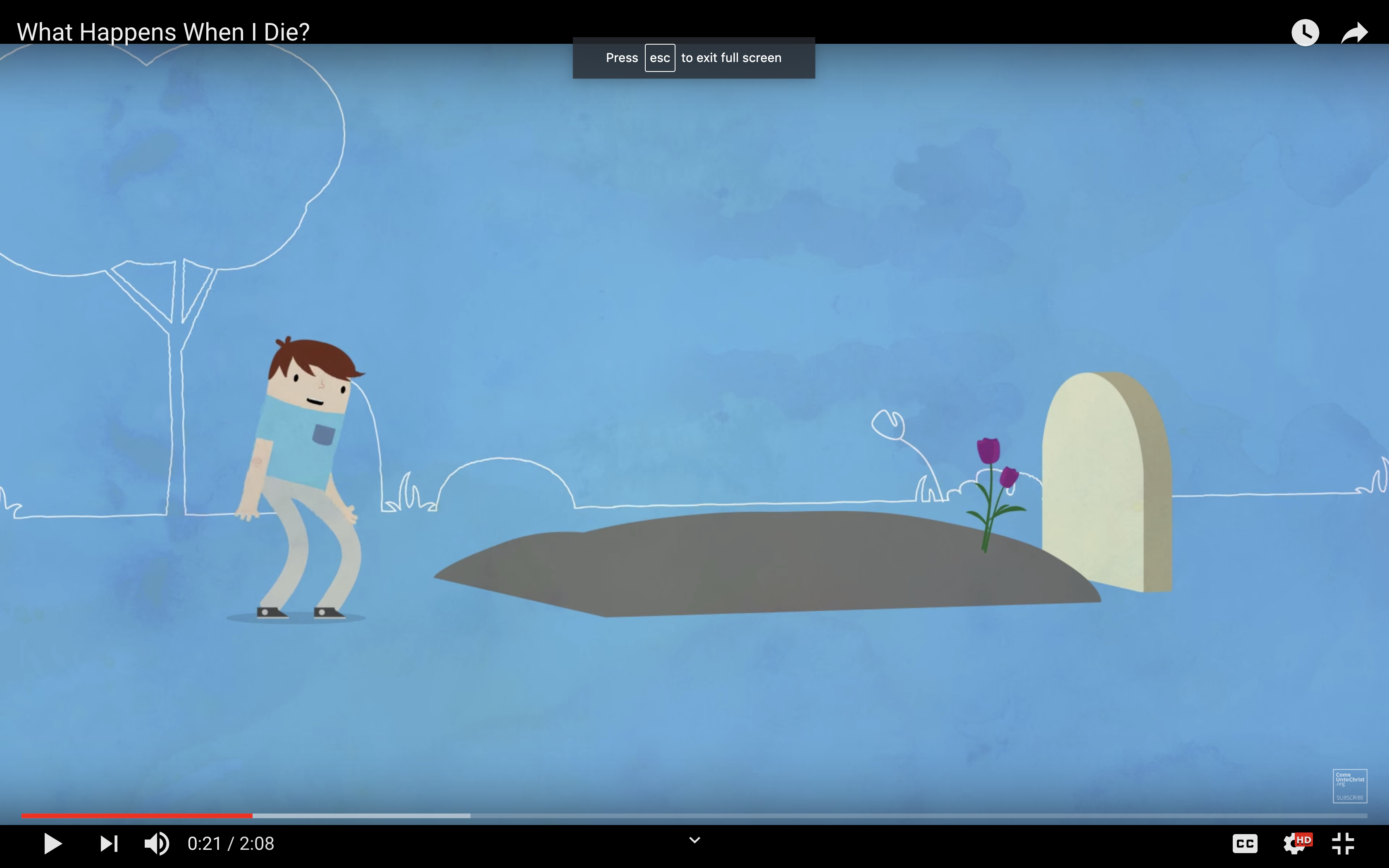
Many of us wonder what happens after we die. Some believe that we cease to exist, while others believe in a heaven and a hell. We lived before we came to earth, and we will continue to live after we die. We know this because God has outlined His whole plan for us in the scriptures. Knowing this plan can provide comfort and peace about death. While we mourn for those loved ones we’ve lost, there is hope—death is not the end.
When we die, our spirit and body separate. Even though our body dies, our spirit—which is the essence of who we are—lives on. Our spirit goes to the spirit world, which is divided into spirit paradise and spirit prison. For those spirits who lived good lives, paradise is a place of rest from earthly cares and sorrow.
“And Jesus said unto him, Verily I say unto thee, To day shalt thou be with me in paradise.” —(Luke 23:43, The Holy Bible)
“And then shall it come to pass, that the spirits of those who are righteous are received into a state of happiness, which is called paradise, a state of rest, a state of peace, where they shall rest from all their troubles and from all care, and sorrow.” –(Alma 40:12, The Book of Mormon)
What happens after the resurrection?
Do Mormons believe in heaven and hell? The short answer is yes. Mormons—properly referred to as Latter-day Saints or members of The Church of Jesus Christ of Latter-day Saints—base their understanding of heaven and hell on teachings from the scriptures and from modern prophets of God. In the New Testament, the Apostle Paul taught that all people will be resurrected after death, meaning the spirit and body will be reunited.

For members of the Church, “hell” does not necessarily mean a place of punishment; it can refer to two different places.
One is spirit prison—the temporary waiting place for people who disobeyed God’s commandments in life or who died without a knowledge of the gospel of Jesus Christ. People in spirit prison have the opportunity to repent and accept or reject the gospel. Depending on their choices, most people will eventually receive one of the degrees of glory.
.

The other place that “hell” can refer to is called “outer darkness,” which is not a kingdom of glory. It is where Satan lives, and it is reserved for only the most wicked people who deny Jesus Christ.

Because our works and desires vary, heaven has different kingdoms or degrees of glory. The highest kingdom, where God lives, is called the celestial kingdom, followed by the terrestrial and telestial kingdoms. The Bible compares our eternal reward in one of these three kingdoms to the glory of the sun, moon, and stars.
People will attain a level of glory based on their actions during their life on earth. The highest degree of glory, symbolized by the sun, is the place where God the Father and Jesus Christ live. This state of being is sometimes referred to as exaltation. But each surpasses any form of happiness that we could possibly experience here on earth.

It is comforting to remember that Jesus Christ will judge all people according to their own actions, desires, and understanding and that He is both just and merciful.
Bible Prophets, Mormon Prophets and Modern-day Prophets

“Surely the Lord God will do nothing, but he revealeth his secret unto his servants the prophets.” — Holy Bible, Amos 3:7
You have probably heard about prophets in the Bible. You have also perhaps heard about modern-day prophets, Mormon Prophets or the Prophets of The Church of Jesus Christ of Latter-day Saints.
Who are they? What is their purpose? Prophets live in different times and places, but they all serve the same purposes.
For example, God told Noah to build an ark before the flood came. He did, and the family of Noah was saved. God gave Moses 10 commandments to teach to the people. Those who follow the commandments were blessed. Noah, Moses, and other prophets found in the Bible were called by God to speak for Him. When they did, it was as if God was speaking.
Mormons (Latter-day Saints) believe that God still speaks to us, His children, through prophets. Just like the prophets found in the Bible and in The Book of Mormon, modern-day prophets are witnesses of Jesus Christ. They testify of the Savior’s divinity and teach His gospel. They receives direction from God and often offer warnings in order to prepare us for what is to come.
God shows His love for us by calling prophets, who are given the priesthood—the power and authority given to man to act in God’s name for the salvation of His children. Prophets learn the gospel of Jesus Christ by revelation. They in turn teach the gospel to others and testify of Jesus Christ as the Savior and Redeemer. The teachings of prophets are found in sacred books called scriptures (like the Bible or the Book of Mormon).
Our Father’s plan for us to be successful in this life and to return to live with Him is called the gospel of Jesus Christ, with Jesus’s Atonement at the center of that plan. Through the Atonement of Jesus Christ, we can receive eternal life if we exercise faith in Jesus Christ, repent, are baptized by immersion for the remission of sins, receive the gift of the Holy Ghost, and endure to the end.
“This is the way; and there is none other way nor name given under heaven whereby man can be saved in the kingdom of God. And now, behold, this is the doctrine of Christ” (2 Nephi 31:21).

All people have the gift of agency, which includes the freedom to accept or reject the gospel as taught by the prophets and apostles. Those who choose to obey are blessed, but those who ignore, reject, or distort the gospel do not receive God’s promised blessings.
Whenever people choose to disregard, disobey, or distort any gospel principle or ordinance, whenever they reject the Lord’s prophets, or whenever they fail to endure in faith, they distance themselves from God and begin to live in spiritual darkness.
Eventually this leads to a condition called apostasy. When widespread apostasy occurs, God withdraws His priesthood authority to teach and administer the ordinances of the gospel.
Biblical history has recorded many instances of God speaking to prophets, and it also tells of many instances of apostasy. To end each period of general apostasy, God has shown His love for His children by calling another prophet and giving him priesthood authority to restore and teach the gospel of Jesus Christ anew.
In essence, the prophet acts as a steward to oversee the household of God here on earth. Such periods of time headed by prophetic responsibility are called dispensations.

God revealed the gospel of Jesus Christ to Adam and gave him priesthood authority. Adam was the first prophet on the earth. By revelation, Adam learned of mankind’s proper relationship with God the Father, His Son Jesus Christ, and the Holy Ghost; of the Atonement and Resurrection of Jesus Christ; and of the first principles and ordinances of the gospel.
Adam and Eve taught their children these truths and encouraged them to develop faith and to live the gospel in all aspects of their lives. Adam was followed by other prophets, but over time the posterity of Adam rejected the gospel and fell into apostasy, choosing to be unrighteous.
Thus began the pattern of prophetic dispensations that makes up much of the recorded history of the Old Testament. Heavenly Father revealed His gospel through direct communication to prophets such as Noah, Abraham, and Moses. Each prophet was called by God to begin a new dispensation of the gospel.

To each of these prophets God granted priesthood authority and revealed eternal truths. Unfortunately, in each dispensation people eventually used their agency to choose to reject the gospel and then fell into apostasy.
Today we have again prophets called by the Lord to preach the Gospel on the earth. We know that this dispensation will not end in apostasy like the ones before, but will prepare the Second Coming of the Lord Jesus Christ.
Baptism for the Dead – Church of Jesus Christ of Latter-day Saints

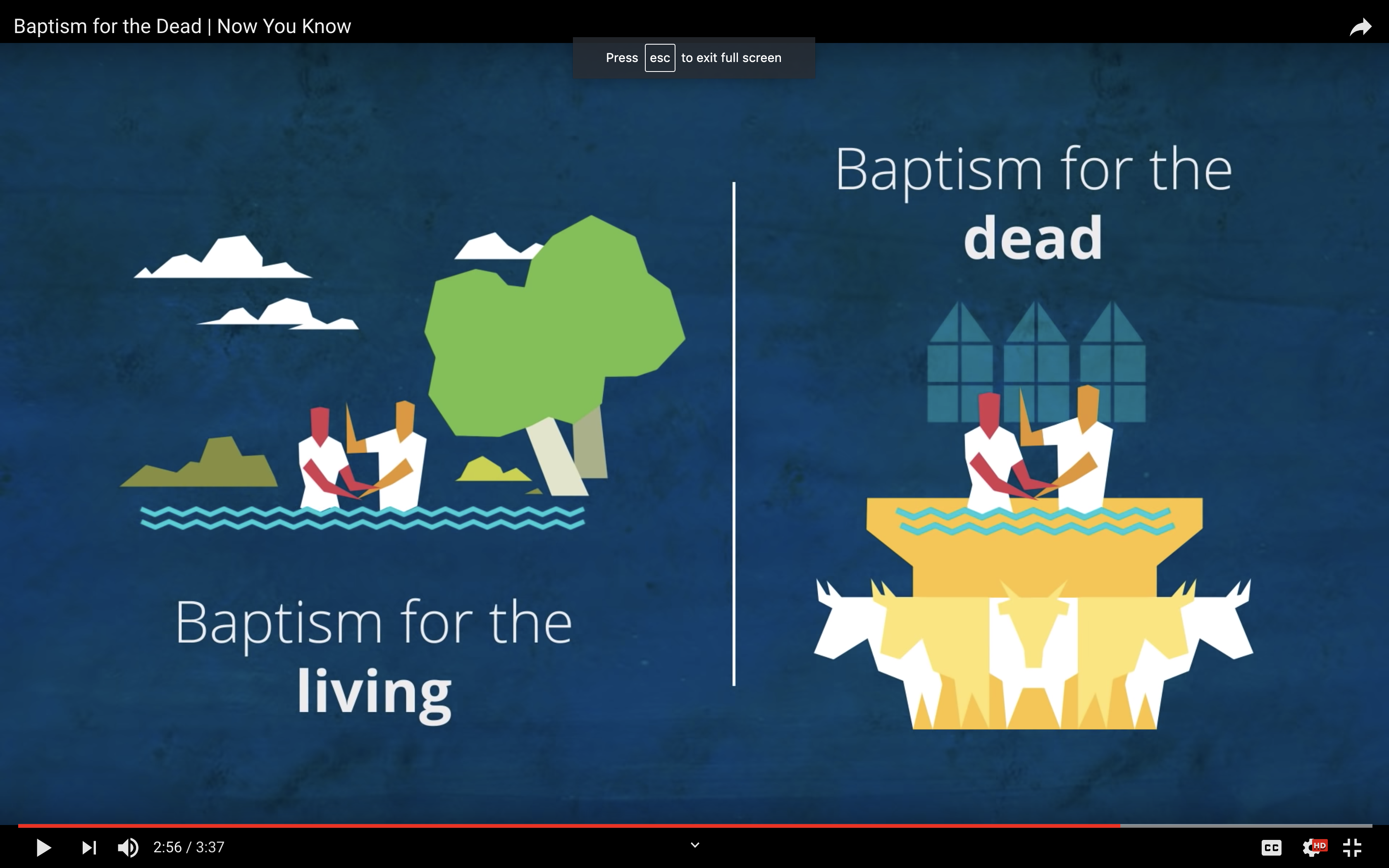
You may have wondered about the Mormon practice called baptism for the dead. The members of the Church of Jesus Christ of Latter-day Saints do this work in temples throughout the world.
But why do they do it? Why does it matter? Let’s talk about it. 2000 years ago, Jesus went to the Jordan River and was baptized by immersion, lowered fully under the water, by John the Baptist.
By doing this, Jesus showed us two things: first, that each of us needs to be baptized as He was; second, a baptism must be performed by somebody with authority from God.
But here’s the problem. What about those millions of people who died without baptism, or who were baptized but without proper authority? That is where Mormon temples and the practice of baptism for the dead come in.
Jesus Christ taught that baptism is essential to the salvation of all who have lived on earth (see John 3:5). Many people, however, have died without being baptized. Others were baptized without proper authority. Because God is merciful, He has prepared a way for all people to receive the blessings of baptism. By performing proxy baptisms in behalf of those who have died, Church members offer these blessings to deceased ancestors.
Some people have misunderstood that when baptisms for the dead are performed, deceased persons are baptized into the Church against their will. This is not the case.
It is important to understand that individuals can choose to accept or reject what has been done in their behalf, so the baptism for the dead doesn’t “force” anybody to accept it. Each individual has agency, or the right to choose. The validity of a baptism for the dead depends on the deceased person accepting it and choosing to accept and follow the Savior while residing in the spirit world. The names of deceased persons are not added to the membership records of the Church.

It is similar to the sacrifice that Jesus Christ did for each one of us. He did what we couldn’t do for ourselves, but we can decide to accept his sacrifice or reject it. The same happens with the baptism for the dead: the person ultimately decides whether to accept it or not.
But Jesus Christ said, “Except a man be born of water and of the Spirit, he cannot enter into the kingdom of God” (John 3:5). Even Jesus Christ Himself was baptized (see Matthew 3:13–17).
Because He is a loving God, the Lord does not damn those people who, through no fault of their own, never had the opportunity for baptism or their baptism was done without proper authority. He has therefore authorized baptisms to be performed by proxy for them.

A living person, often a descendant who has become a member of The Church of Jesus Christ of Latter-day Saints, is baptized in behalf of a deceased person. This work is done by Church members in temples throughout the world.
The New Testament indicates that baptisms for the dead were done during the time of the Apostle Paul (see 1 Corinthians 15:29). This ordinance was restored with the establishment of The Church of Jesus Christ of Latter-day Saints.
Choosing Between Good and Evil – The Church of Jesus Christ of Latter-day Saints

Every day we all have choices that need to be made. Many of those choices do not have any lasting significance, but there are plenty that do. These choices—the decisions between right and wrong—have more serious consequences than, say, what shoes we wear.
Agency, sometimes referred to as moral agency or personal agency, is the ability each person has to choose right or wrong—or, put another way, the ability to either follow God or not.
Agency was given to every person as a gift from God. The ability to direct our own lives and make our own choices is one of the greatest gifts God has given us.
With it, you are “free to choose liberty and eternal life, through the great Mediator of all men, or to choose captivity and death, according to the captivity and power of the devil” (2 Nephi 2:27).
Just as physical choices have physical consequences, such as getting burned if you get too close to a fire, spiritual choices have spiritual consequences.
It is not possible to make a choice without facing its inevitable consequence. Our purpose in this life is to learn, grow, improve, and progress, with the ultimate goal of returning to God’s presence. Personal agency allows us to participate in the learning and growing process that is essential to becoming better and more like our perfect example, the Savior Jesus Christ.
You had the power to choose even before you were born. In the premortal Council in Heaven, Heavenly Father presented His plan, which included the principle of agency.
Lucifer rebelled and “sought to destroy the agency of man” (Moses 4:3). As a result, Lucifer and all those who followed him were denied the privilege of receiving a mortal body. Your presence on the earth confirms that you exercised your agency to follow Heavenly Father’s plan.
In mortality, you continue to have agency. Your use of this gift determines your happiness or misery in this life and in the life to come. You are free to choose and act, but you are not free to choose the consequences of your actions.
The consequences may not be immediate, but they will always follow. Choices of good and righteousness lead to happiness, peace, and eternal life, while choices of sin and evil eventually lead to heartache and misery.
The Word of Wisdom: A Health Code From the Church of Jesus Christ

The Word of Wisdom is a health code included in the Doctrine and Covenants, a book of scripture used by Latter-day Saints.
The Word of Wisdom is most recognized for prohibiting the use of alcohol, coffee, tea, and tobacco, but it also promises physical and spiritual blessings.
The Prophet Joseph Smith received the Word of Wisdom by revelation in 1833. He included it in a collection of revelations called the Doctrine and Covenants, which Latter-day Saints view as scripture.
The revelation came to Joseph Smith during a time of intense public debate about alcohol consumption and after his wife, Emma, became frustrated by the mess caused by frequent tobacco use in her home.
The Word of Wisdom is recognized by most as the reason why members of The Church of Jesus Christ of Latter-day Saints do not drink alcohol, coffee, or tea or use tobacco.
The Word of Wisdom encourages using common sense and avoiding addictive substances, in addition to focusing on healthful eating and moderation.
The Word of Wisdom is primarily a health code, but the benefits are not only physical. Spiritual blessings, wisdom, and greater happiness are all promised to those who obey it. Most importantly, obedience to the Word of Wisdom helps promote greater spiritual revelation.
The Word of Wisdom is recorded in section 89 of the Doctrine and Covenants.
The Lord also declared in the Word of Wisdom that the following foods are good:
Vegetables and fruits, which should be used “with prudence and thanksgiving” (see Doctrine and Covenants 89:10–11).
The flesh “of beasts and of the fowls of the air,” which is “to be used sparingly” (see Doctrine and Covenants 89:12–13).
Grains such as wheat, rice, and oats, which are “the staff of life” (see Doctrine and Covenants 89:14–17).
To those who keep the Word of Wisdom, the Lord promised:
“All saints who remember to keep and do these sayings, walking in obedience to the commandments, shall receive health in their navel and marrow to their bones;
“And shall find wisdom and great treasures of knowledge, even hidden treasures;
“And shall run and not be weary, and shall walk and not faint.
“And I, the Lord, give unto them a promise, that the destroying angel shall pass by them, as the children of Israel, and not slay them” (Doctrine and Covenants 89:18–21).
What Happens to Our Bodies and Spirits after We Die?

Everyone is born and everyone will die, but birth was not the beginning and death is not the end.
There Is Life After Death
Many wonder what happens after we die. Some believe that we cease to exist, while others believe in a heaven and a hell. We lived before we came to earth, and we will continue to live after we die. We know this because God has outlined His whole plan for us in the scriptures. Knowing this plan can provide comfort and peace about death. While we mourn for those loved ones we’ve lost, there is hope—death is not the end.
What happens when we die?
When we die, our spirit and body separate. Even though our body dies, our spirit—which is the essence of who we are—lives on. Our spirit goes to the spirit world, which is divided into spirit paradise and spirit prison. For those spirits who lived good lives, paradise is a place of rest from earthly cares and sorrow.
“And Jesus said unto him, Verily I say unto thee, To day shalt thou be with me in paradise.” – Luke 23:43 (The Holy Bible)
“And then shall it come to pass, that the spirits of those who are righteous are received into a state of happiness, which is called paradise, a state of rest, a state of peace, where they shall rest from all their troubles and from all care, and sorrow.” – Alma 40:12 (The Book of Mormon)
While the righteous rest, those who were unrighteous in life will live in spirit prison (often referred to as “hell”). Spirit prison is not a final judgement or eternal punishment. Because God is loving and fair, those in prison will be taught the gospel of Jesus Christ and given the opportunity to accept the Savior, which can “make [them] free” (John 8:32).
The spirit world is a waiting period until we receive the gift of resurrection, when our spirits will reunite with our bodies. Our future resurrected body cannot die and will be perfect—free from pain, sickness, and imperfections. It is because of the infinite love of Jesus Christ that everyone will be resurrected.
“The soul shall be restored to the body …; yea, and every limb and joint shall be restored to its body; yea, even a hair of the head shall not be lost; but all things shall be restored to their proper and perfect frame.” — Alma 40:23