Happiness in family life is most likely to be achieved when founded upon the teachings of the Lord Jesus Christ. – The Family: A Proclamation to the World

All Spanish Speakers Invited to ExpoGenealogía — A Free, Virtual Family History Event

Spanish speakers and those who have Mexican heritage are invited to participate in ExpoGenealogía — a free, virtual family history event entirely in Spanish on October 30–31.
ExpoGenealogía se centra en la importancia de la historia de cada persona, realizada a través de un programa completamente digital en el que conferencias, talleres y charlas con expertos estarán disponibles de forma gratuita. (ExpoGenealogía)
Coinciding with Día de los Muertos (Day of the Dead), this event is an opportunity to honor and celebrate family, said Antulio Muñoz, FamilySearch multi-area manager for Latin America. FamilySearch is one of ExpoGenealogía’s partners.
Similar to RootsTech, ExpoGenealogía will include entertainment, keynote speakers, classes and personal consultations. Speakers include Mexican athletes Paola Espinosa, Rommel Pacheco and Elsa Avila, as well as FamilySearch CEO Steve Rockwood. (Church Newsroom)
Register for free at expogenealogia.mx
Read the full article on the Church Newsroom
Programa (en español)
Día 1, 30 de Octubre
| Hora | Conferencista | Tema | |
|---|---|---|---|
| 10:00-10:15 | Inauguración | ||
| 10:15-11:00 | Steve T. Rockwood | Conectándonos | |
| 11:00-11:45 | Arturo Cuéllar | Navegando en FamilySearch | |
| 12:00-12:45 | Arnoldo de la Rocha | Una historia de superación y logros desde la Sierra de Chihuahua | |
| 13:00-13:45 | Alan Rivero | El app de Ancestry y la genealogía mexicana en tu bolsillo | |
| 14:00-14:45 | Muriele Gadaut | La aplicación práctica de la genealogía: el caso de la ascendencia francesa de mexicanos | |
| 15:00-15:45 | Paola Espinosa | Una historia de perseverancia y esfuerzo | |
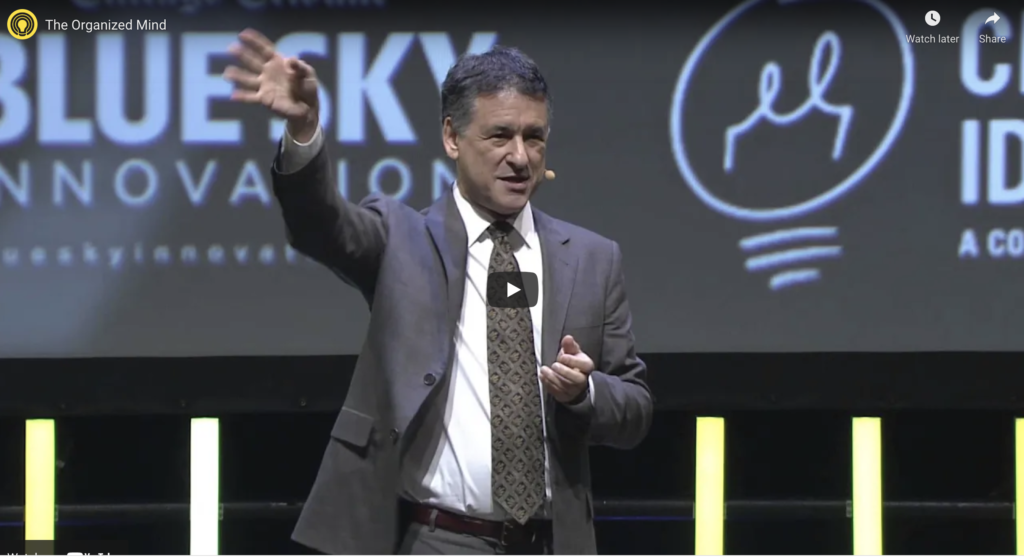
| 16:00-16:45 | Daniel Horowitz | Tecnologías para ampliar el árbol genealógico | |
| 17:00-17:45 | George Ryskamp | Cómo encontrar la genealogía de españoles en Latinoamérica de los siglos XVI y XVII | |
| 17:45-18:00 | Clausura del día | ||
| 18:00-19:00 | Concierto | Fiesta mexicana de Día de Muertos, con Cesar Tapia |
Día 2, 31 de Octubre
| Hora | Conferencista | Tema |
|---|---|---|
| 10:15-11:00 | Steve T. Rockwood | Conectándonos |
| 11:00-11:45 | Elsa Ávila | Conquistando las montañas de la vida |
| 12:00-12:45 | George Ryskamp | Buscando antepasados en registros que dan conexión con Europa |
| 13:00-13:45 | Daniel Horowitz | Beneficio de las pruebas de ADN en México |
| 14:00-14:45 | Rommel Pacheco | Clávate en tu historia |
| 15:00-15:45 | Devin Ashby | Paz y salud mental por medio de la historia familiar |
| 16:00-16:45 | Brian Peterson | Conociendo a mis ancestros |
| 17:00-17:45 | Debbie Gurtler | ¡España por favor! Recursos y registros en línea |
| 17:45-18:00 | Clausura | |
| 18:00-19:00 | Concierto | Fiesta mexicana de Día de Muertos, con Cesar Tapia |
Family History at FamilySearch: Map Where Your Ancestors Are From

Find out where your ancestors are from—and ultimately where you are from—using FamilySearch’s new Where Am I From? activity. See your family’s movement on a map, discover the countries your ancestors lived in, and explore the heritage and traditions of those countries.
Discover Where You and Your Ancestors Are From
To use the Where Am I From? activity, you need to have a FamilySearch account (create one for free here). You also should have at least four generations entered into your family tree, which will provide enough data to get you started on seeing where your ancestors came from.
Learn more in the article “Where Are Your Ancestors From? Map Your Heritage with ‘Where Am I From’ Activity.”
FamilySearch RootsTech Connect Attracting Participants From 167 Countries

Rootstech’s Growth Over the Years
The first Rootstech was held in Salt Lake City in 2011. Despite the short lead time and the uncertainties of a first-time event, attendees arrived from across the United States and 15 additional countries, including China, New Zealand, Australia, Namibia, and Israel. Over 3,000 came in person.and another 4,700 attended remotely.
In 2012 RootsTech had an even better turnout (4,500 attendees and 7,000 virtual participants).

In 2013 Rootstech offered more than 250 classes and workshops, with dedicated tracks for beginners, experienced researchers, and developers. A free, full-day Family Discovery Day event was launched for families and youth from surrounding cities. That year Rootstech attendees doubled to 9,000 (2,000 of them youth) and 13,000 online watchers.
In 2014, 13,600 in-person attended, a figure that doubled again in 2015. RootsTech 2019 reached 30,000 in-person attendees and an estimated 120,000 people watching online. In October 2019, RootsTech was also held in London, UK with almost 10,000 people attending. In 2020 attendance to Salt Lake City Rootstech was similar to 2019.
In consideration of COVID-19, FamilySearch International then postponed the second London RootsTech conference, planned for 5-7 November 2020, until the fall of 2021.
RootsTech Connect 2021
Similarly to the event in London, FamilySearch cancelled the in-person conference in February 2012 because of the COVID-19 pandemic and decided to host a free, online-only event.
“The pandemic is giving us the opportunity to bring RootsTech to a broader audience worldwide,” Steve Rockwood, FamilySearch International’s CEO, said in a news release. “A virtual event also allows us to expand our planning to truly make this a global celebration of family and connection.”
We are still more than four months away from the beginning of the first online-only Rootstech, but since registration opened for RootsTech Connect 2021 last month, more than 106,000 people from 167 countries have signed up for the virtual event. And 86% of them have never attended RootsTech before.
RootsTech Connect — a free, global family history conference with classes, keynote speakers and virtual expo hall — will be held Feb. 25-27, 2021. For the first time in RootsTech’s 10-year history, classes will be completely virtual and offered in multiple languages. Presenters will teach from international locations.

The more than 106,000 registrants so far include “almost 10,000 in Europe, almost 10,000 throughout Latin America, over 80,000 in North America and over 4,000 in the Pacific,” said Tyler Stahle, RootsTech marketing manager. And there is still more international marketing to do in several languages.
Throughout the three-day event, livestream and on-demand content will be offered to accommodate participants’ time zones. Sessions will also be available to watch on-demand after the event concludes. Live chats and question and answer sessions will allow attendees to interact with presents, exhibitors and other attendees. (RootsTech Connect attracting participants from more than 165 countries)
Register for RootsTech Connect at RootsTech.org.
8 Billion Names Are Now Searchable on FamilySearch.org

FamilySearch, the world’s largest genealogical service, has published its 8 billionth searchable name from its historical records collection.
With the help of online volunteers, emerging technologies and partnerships with other organizations, FamilySearch (a free service provided by The Church of Jesus Christ of Latter-day Saints) adds over 1 million new searchable records to its website every day. The organization is nearly 126 years old, yet 7 billion of these 8 billion names have been added in the past decade alone. These records come from almost every country. FamilySearch’s goal is to connect families everywhere to as many of their ancestors as possible.
About FamilySearch
FamilySearch International is the largest genealogy organization in the world. FamilySearch is a nonprofit, volunteer-driven organization sponsored by The Church of Jesus Christ of Latter-day Saints. Millions of people use FamilySearch records, resources, and services to learn more about their family history. To help in this great pursuit, FamilySearch and its predecessors have been actively gathering, preserving, and sharing genealogical records worldwide for over 100 years. Patrons may access FamilySearch services and resources free online at FamilySearch.org or through over 5,000 family history centers in 129 countries, including the main Family History Library in Salt Lake City, Utah.
Digitized Records of Mayflower Descendants Now Available on FamilySearch and AmericanAncestors.org

More than 113,000 names of Mayflower descendants are freely accessible online for the public
In September 1620, 102 passengers and some 30 crew members boarded the Mayflower and departed from England to the New World. They arrived in Plymouth in present-day Massachusetts 66 days later and established the first permanent colony in New England.
Several of the men drafted and signed the Mayflower Compact — a document that provided a government in Plymouth with just and equal laws and set the stage for democracy in the United States.
Today, there are an estimated 35 million descendants of the 53 passengers that survived the first winter.
In conjunction with the 400th anniversary of this historical event, FamilySearch, AmericanAncestors.org (the New England Historic Genealogical Society) and the General Society of Mayflower Descendants (the Mayflower Society) announced on September 16 that more than 113,000 Mayflower Society member applications and documented descendant family trees of passengers are now freely accessible online.
The Mayflower Database contains more than 1 million images and more descendant trees will be added by the end of the year.
The coordinated project between the three organizations was announced earlier this year at RootsTech on February 28.
FamilySearch RootsTech Goes Virtual in 2021

FamilySearch has announced that RootsTech 2021 will be held in February as a free, virtual event.
Due to the COVID-19 pandemic, the annual family history conference originally scheduled for February 3–6, 2021, in Salt Lake City, Utah, will now be held online February 25–27, 2021.
“The pandemic is giving us the opportunity to bring RootsTech to a broader audience worldwide,” said Steve Rockwood, FamilySearch International CEO. “A virtual event also allows us to expand our planning to truly make this a global celebration of family and connection.”
RootsTech, hosted by FamilySearch, has become the largest event of its kind in the world, attracting tens of thousands of participants every year.
RootsTech Connect 2021 will feature a variety of keynote speakers, dozens of classes in multiple languages and a virtual marketplace.
Throughout the three-day online event, attendees will have the ability to interact with presenters, exhibitors and other attendees through live chat and Q&A sessions. (READ HERE THE FULL ARTICLE)

Visit rootstech.org to register for the free virtual event.
What Is RootsTech?
RootsTech is about connecting family and finding belonging. RootsTech is presented by FamilySearch International. It is the goal of FamilySearch to help everyone discover, gather and connect families past, present and future.
RootsTech until this year was a 4-day event held annually in Salt Lake City, Utah, dedicated to celebrating family, discovering family histories, and connecting the living to their ancestors and each other. In 2020 Rootstech had 300 breakout sessions, an exciting lineup of celebrity speakers, and a gigantic expo hall.
In 2021, Rootstech will be a virtual, free event, but with the same goals and purpose.
Watch Past Sessions of RootsTech
ROOTSTECH 2020

Sessions for Latter-day Saints
ROOTSTECH LONDON 2019
Sessions for Latter-day Saints
ROOTSTECH 2019
BYU Research: Family-Friendly Workplaces Facilitate Engaged Fathering

(Excerpts From TheChurchNews.com)
A recent study conducted by researchers at Brigham Young University examined the key role that the workplace plays in a father’s ability to be a nurturing and available presence in their children’s lives. For many Latter-day Saint fathers, improved workplace flexibility might help them better magnify their eternal roles as loving, gospel-driven caregivers.
Erin Holmes, the study’s lead researcher and a BYU family life professor, knows well the importance of work-life balance for today’s fathers. More and more, it is a key element in their professional careers.
“Men still think providing for their family is an important part of the work they do as a father, but they also want to be connected to their children and involved in their children’s lives,” she said.

She and her fellow BYU researchers expected to find that job flexibility and a family-friendly workplace would benefit fathers who already valued shared parenting and embraced more egalitarian gender roles.
“What we didn’t expect was how much job flexibility and a family-friendly workplace would benefit fathers who were actually more traditional in their gender roles and fathering attitudes,” said Holmes. “We think that is perhaps the most important finding: Dads who are more ‘traditional’ in their fatherhood role benefited most from a flexible workplace.”
To illustrate: A traditional father without a flexible workplace is likely to engage with his children a few times a month. “But a father with those same kinds of traditional beliefs — but with a flexible workplace — actually reported being engaged with his kids almost every day.”
For Latter-day Saint fathers who believe their role as a parent is an eternal calling, a flexible workplace can be a blessing for families and employers alike.
The research from this study was published in the Journal of Family Psychology.
3 Ways the Family History Library Is Bringing Resources to Your Home

FamilySearch is now offering sign-ups for free one-on-one online consultations with research specialists from the Family History Library in Salt Lake City.
The consultations join existing live webinars and the online Help Center as another way the Family History Library is making its expertise and resources available, despite being closed due to COVID-19 concerns.
The consultations are designed to continue far beyond the pandemic so people don’t feel the need to travel to Salt Lake City for research help, said Lynn Turner, manager of the Family History Library.
“What we’re really looking to do is bring the library and knowledge of experts to people, instead of looking to bring more people into the library,” Turner said. “We’re trying to open our doors and share the resources of the library more worldwide and to a broader audience.”
FamilySearch Family History Blog Update – May 2020

What’s New at FamilySearch?
Monthly Records Update for May 2020
Over 24.1 million new digitized and indexed family history records from 35 countries were added in May 2020. Quickly see what was added and find out if they include new records for your ancestors.
New historical records were added from American Samoa, Argentina, Austria, Bolivia, Brazil, Canada, Chile, Czech Republic, Dominican Republic, the Democratic Republic of the Congo, Ecuador, England, Finland, France, Germany, Guatemala, Honduras, Hungary Ireland, Italy, Luxembourg, Mexico, Niue, Norway, Peru, Portugal, South Africa, the South Pacific, Sweden, the United Kingdom, Venezuela, and the United States, which includes Arizona, Arkansas, California, the District of Colombia, Florida, Georgia, Hawaii, Idaho, Indiana, Iowa, Louisiana, Maine, Michigan, Minnesota, Mississippi, Missouri, Montana, Nebraska, New Jersey, New Mexico, New York, North Carolina, Ohio, Oklahoma, Oregon, Pennsylvania, Rhode Island, South Carolina, South Dakota, Texas, Utah, Vermont, and Wisconsin.
United States Deceased Physician File (AMA), 1864-1968, United States Public Records, 1970-2009, GenealogyBank Historical Newspaper Obituaries, 1815-2011, and United States, Slave Birth Records, 1780-1846, are included as well. Digital Images came from Italy.
Read: Monthly Records Update for May 2020
Temple and Family History
Read: How to Find Ancestors in Need of Temple Work in the Family Tree
New updates make it easier than ever to find ancestors who need temple work.
11 Ideas to Make Indexing Goals More Inspired—and Fun!

Around the world, members of The Church of Jesus Christ of Latter-day Saints have made astounding contributions to indexing on an individual, ward, and stake level. These efforts have helped millions of people discover and connect to their families, even helping them find names of ancestors they never expected to take to the temple.
One important thing to remember, though, is that using number goals as an incentive isn’t the only way to index. While some members of ward and stake indexing groups might be motivated by reaching a number goal, others may feel burdened, guilty, or intimidated. A reliance on numbers can also create a feeling of urgency to index quickly rather than accurately.
Every record indexed can help someone somewhere learn about family. No matter how many records a ward member indexes, the contribution makes a difference.
The recent change to remove individual statistics from ward, stake, and general indexing groups reflects a need to focus on creating accurate records and using inspiration rather than numbers to direct indexing efforts.
Find out a few inspiration-focused and fun ideas for supporting Church members as they participate in indexing—ideas that don’t rely on charts, graphs, or numerical goals.
Read: 11 Ideas to Make Indexing Goals More Inspired—and Fun!
How Indexing Can Be Useful in Your Calling

Indexing is a service that reaches families worldwide—and it can be done at home or as a group. It helps further the Lord’s work by connecting God’s children with their families, and it can even soften people’s hearts and draw them closer to the Savior. As you serve in your calling, you may want to consider indexing as a means of strengthening and lifting those you serve.
Isn’t indexing something consultants do?
Yes! Many temple and family history consultants index records and have helped ward members learn to index. In fact, previously there was a calling at the ward level for a temple and family history consultant that specialized in indexing.
With the retirement of that calling, many ward leaders and temple and family history consultants have wondered what place indexing has in wards and stakes.
Read: How Indexing Can Be Useful in Your Calling
Heritage

Read: How a Family Crest or Coat of Arms Leads to Family Discovery
If your ancestors were some of the rare few who might have had a family crest or coat of arms, discover what its symbolism can tell you about them. Or learn how to create your own fun, family crest.
Easy Activities

7 Journal Ideas to Help You Record Your Story
The ways to keep a journal are increasing dramatically. Consider some new ideas for your journal keeping.
Out-of-the-Box Indexing Goals and Activities
What to Do for Mother’s Day—Simple, Meaningful Activities
How-to: Military Records
Finding United States Military Service Records
Military records from the Revolutionary War to more recent conflicts can contain important information for your family’s history. Discover the different types and how to find them.
How to Find Russian Military Records from World War II
Fun History
1930s Fashion: Women’s, Men’s, and Children’s Clothing, 1930–1939
1940s Fashion: Women’s and Men’s Clothing Worn, 1940–1950
Interesting Events
Connect While Social Distancing: Join the FamilySearch Live Community
Church News: How Brazil became a ‘pioneer’ for FamilySearch live social media events

Long before FamilySearch live social media events began in the United States during the COVID-19 pandemic, they were already successful in Brazil.
“Brazil was actually the pioneer of it,” said Jim Greene, FamilySearch international marketing manager in Salt Lake City, Utah. “And others have benefited from it.”
In fact, FamilySearch Brazil has held live social media events since 2015, said Adriano Almeida, a FamilySearch community manager for the Brazil Area who lives in Sumaré, São Paulo. Almeida runs FamilySearch Brazil pages on several social media platforms and organizes and moderates the live social media events.
With an invitation from the Brazil Area presidency, Adriano and his team have held weekly live events during the COVID-19 outbreak. In April and May, a live event was held every Sunday evening on indexing. An event every other Wednesday focused on family history tips and resources. The schedule for June is still pending.
“The idea is to provide good content for Church members and also for the general public, using FamilySearch as a missionary tool,” Almeida said.
The live events are typically an interactive question-and-answer format, with the audience submitting questions using the chat features. Almeida uses a tool for multi-streaming on Facebook, Instagram and YouTube — allowing streams to reach multiple audiences on the different platforms at the same time.
The events have reached tens of thousands. “We had an increase in people accessing FamilySearch, and it has helped a lot to achieve the area goals, specifically indexing goals, but also the goals for helping people complete their first four generations,” Almeida said.
According to FamilySearch managers, Brazil’s pioneering role in live social media events can be credited to support from local Church leaders and members, a unique demographic with a rising interest in family history, and a localized marketing strategy.
Read the rest of the articles on the Church News
FamilySearch Brazil’s next live social media event will be Sunday, June 21, and will be streamed on Facebook, Instagram and YouTube. Previous live social media events can be found on FamilySearch Brazil’s YouTube channel.